












1. Home
  2. Picnic Tables For Neighborhood Parks

Picnic Tables for Neighborhood Parks

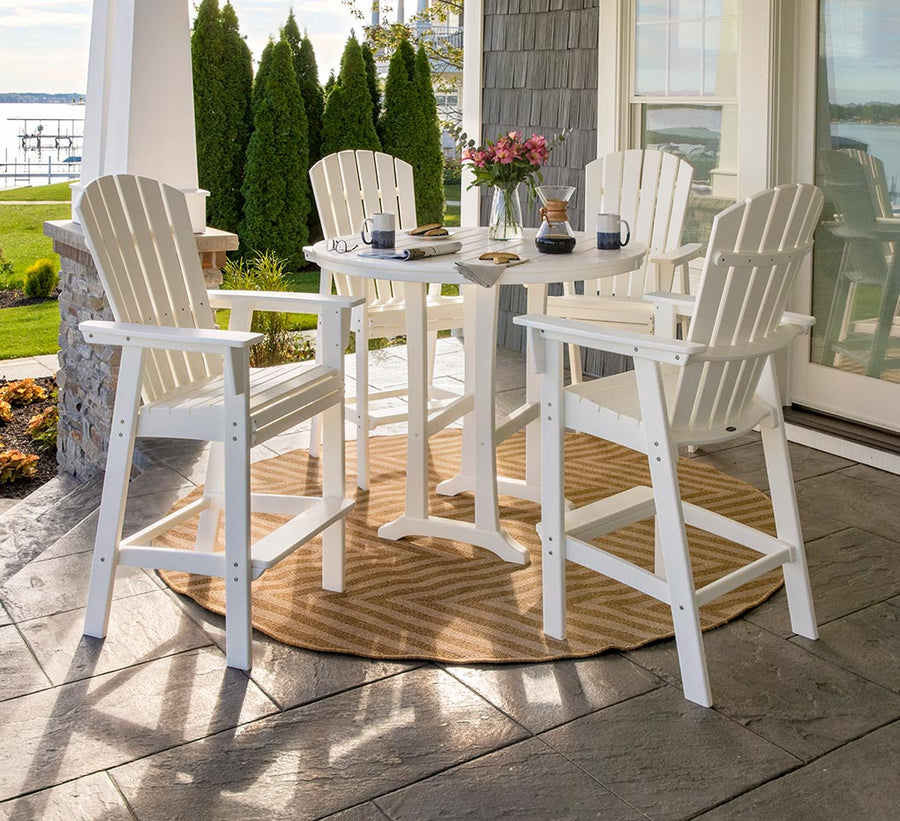
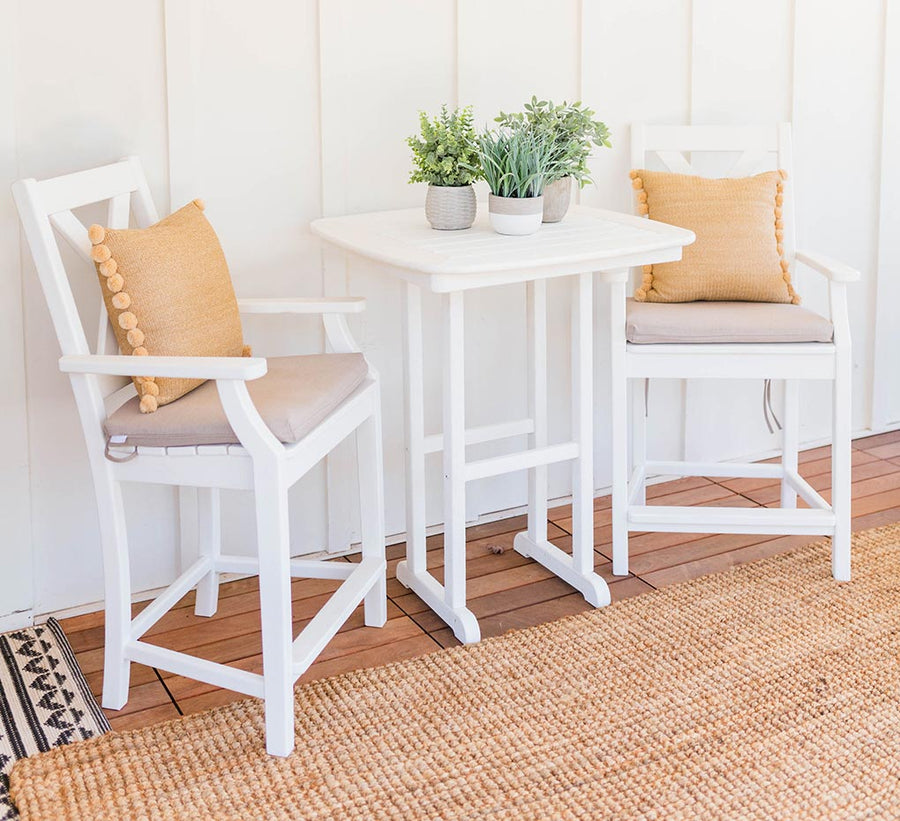
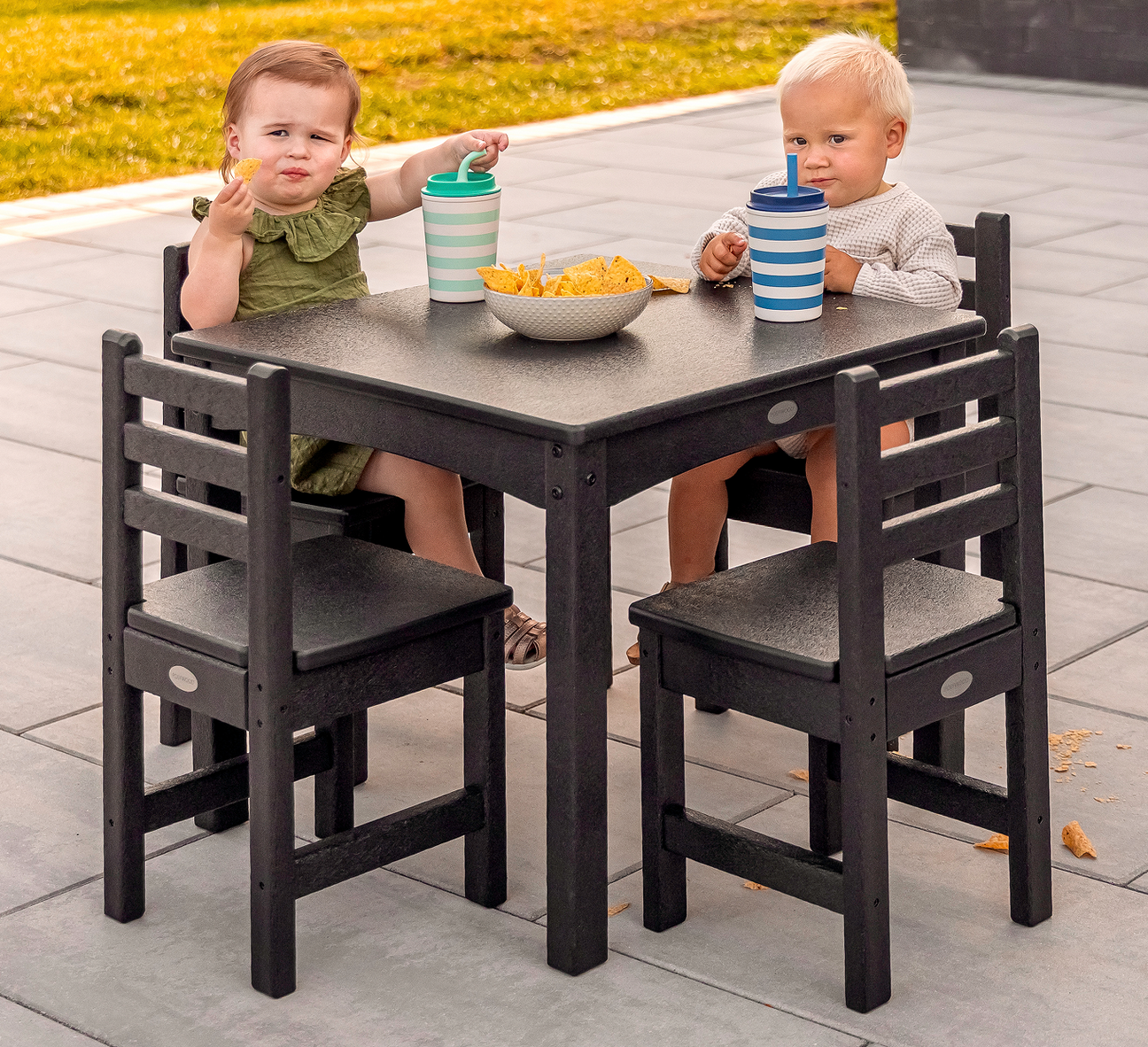
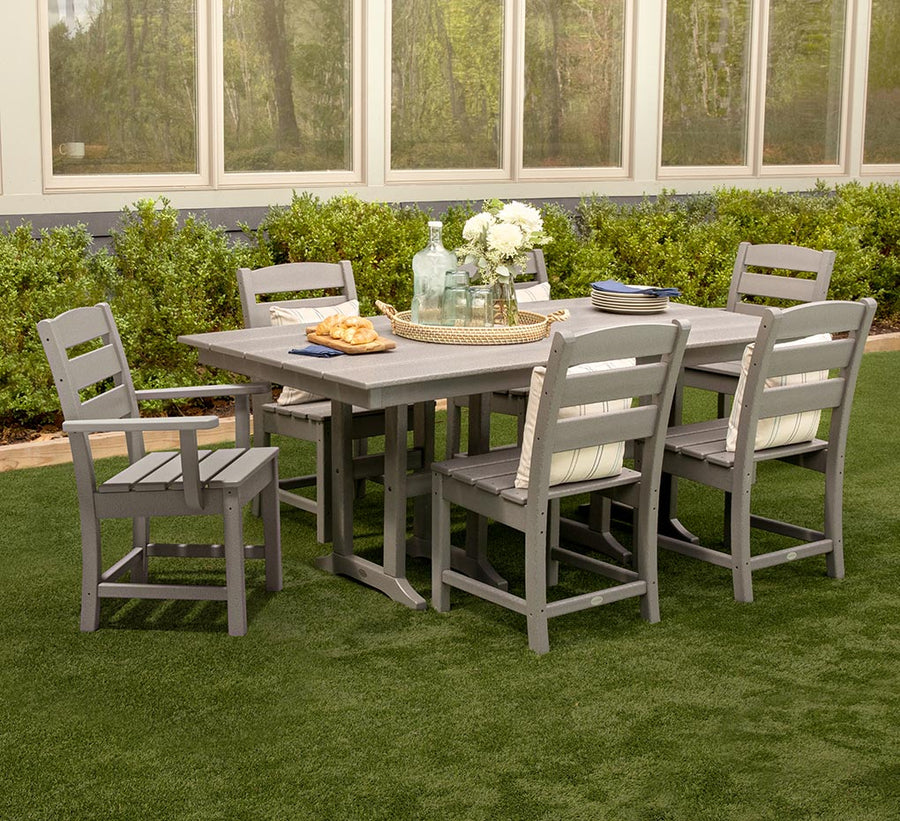
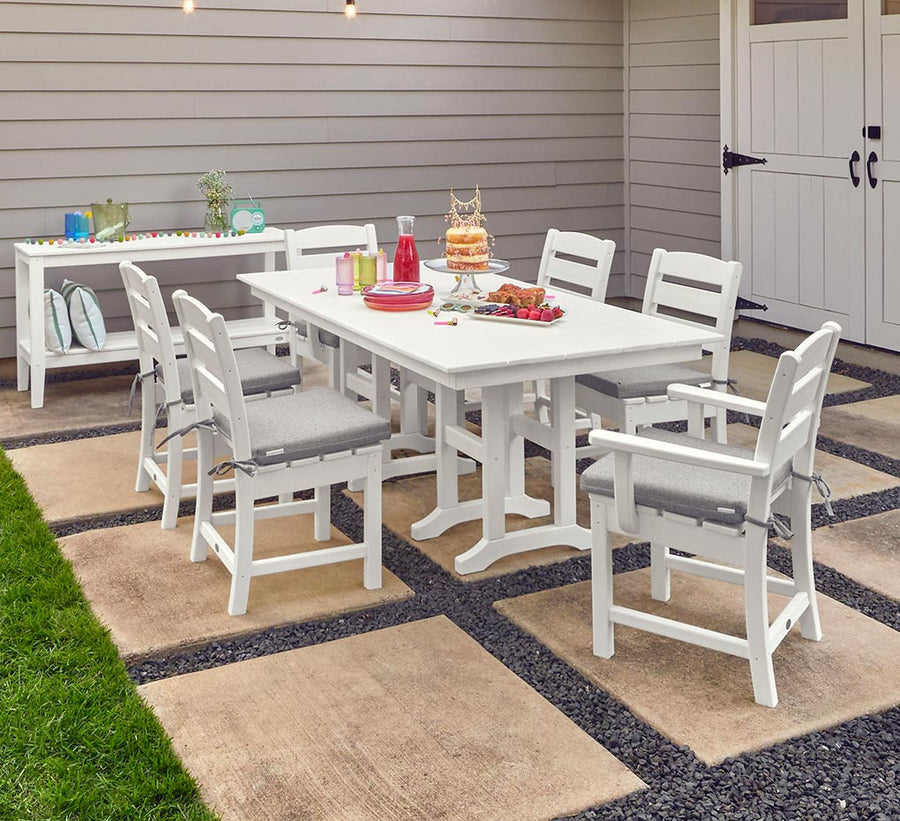
Find picnic tables for neighborhood parks that give neighbors a place to share meals and gather outdoors. Explore options for shared outdoor dining, keeping your park’s seating needs, available space, and room to move around each table in mind.

Read More

Picnic Tables for Neighborhood Parks

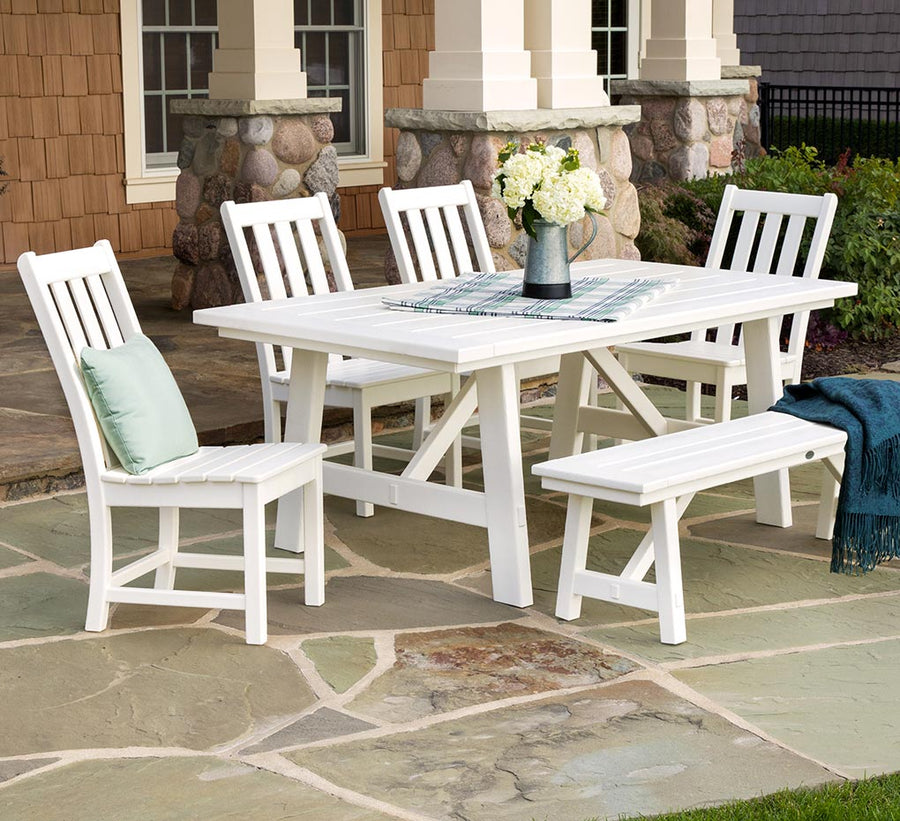
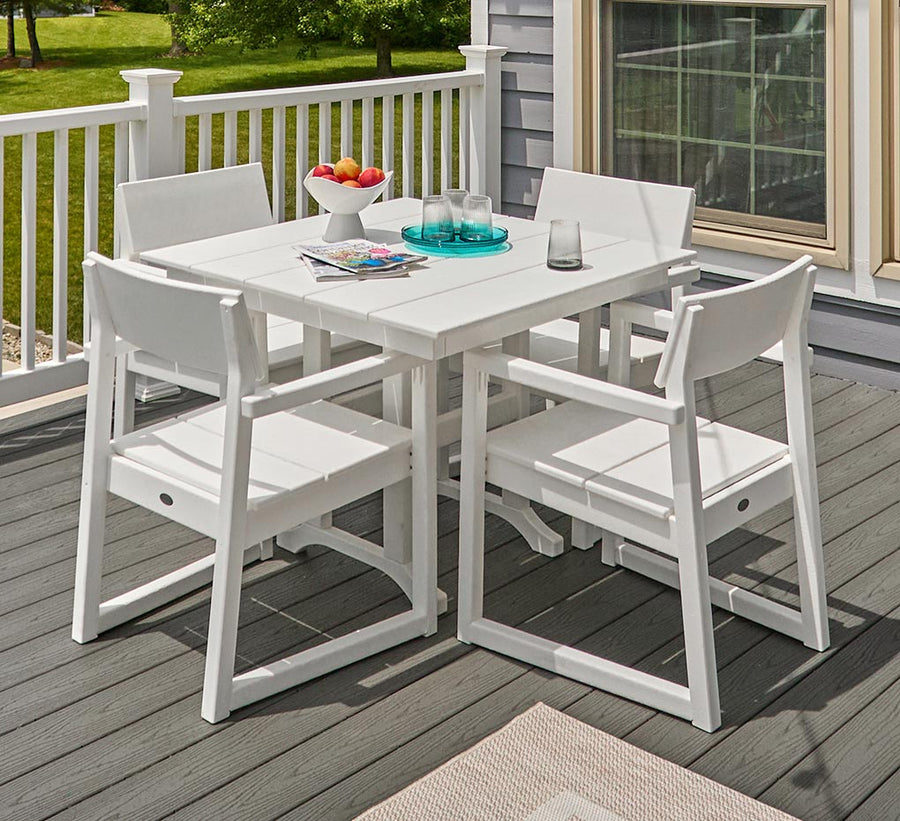
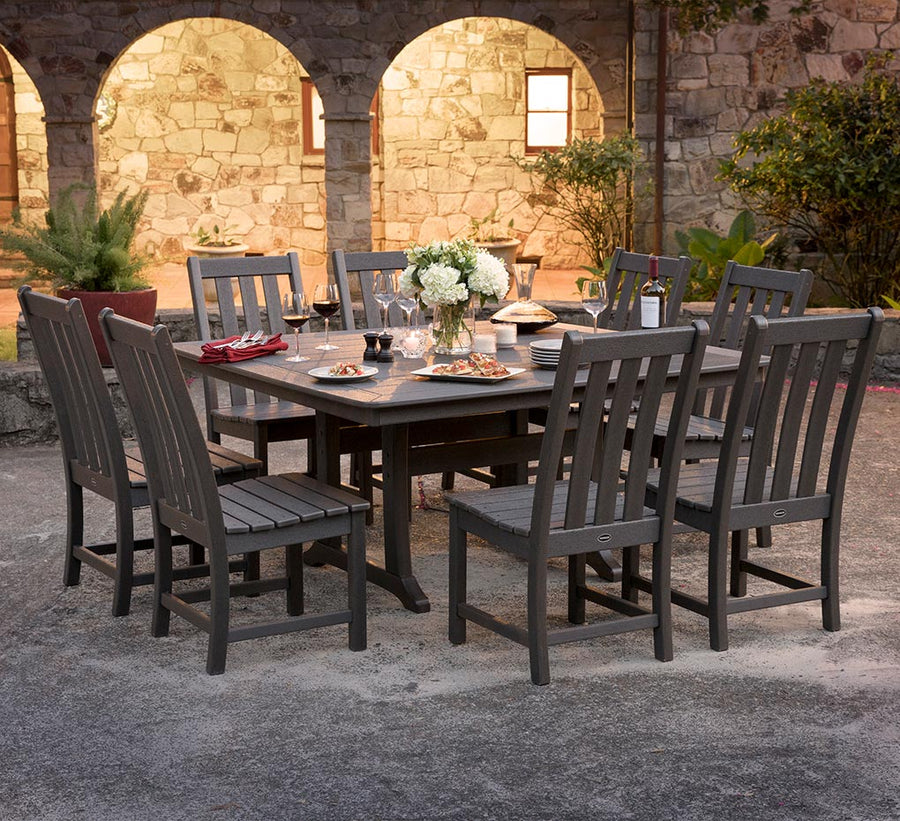
Picnic tables for neighborhood parks give shared outdoor spaces a welcoming place for lunches, birthday gatherings, board games, and a break between trips to the playground. More than an occasional dining spot, a well-chosen table can become part of the neighborhood’s daily routine, serving families, walking groups, and neighbors who want to spend time together close to home. For park departments, homeowners associations, and community organizations, the right seating balances everyday comfort with the demands of a public setting. Tabletop space, seating capacity, and the overall footprint all influence how comfortably a picnic area serves its visitors. A smaller gathering space may benefit from a more compact layout, while a busy park may need multiple tables arranged to accommodate separate groups without crowding paths or nearby activities. The goal is a picnic area that feels inviting on an ordinary afternoon and remains useful when the neighborhood comes together.

Outdoor conditions and frequent use make durability an important consideration for neighborhood park picnic tables. Exposure to sunshine, rain, and seasonal temperature changes puts different demands on furniture than a sheltered residential patio does. Weather resistance, sturdy construction, and straightforward care are valuable qualities to weigh alongside appearance, especially when maintenance teams manage several shared spaces. Seating height, legroom, and ease of entry also affect everyday usability for visitors of different ages and mobility needs. Accessible picnic areas depend on more than the table alone: approach routes, clear ground space, and the surrounding surface all contribute to a comfortable setting. Placement matters, too. Tables near shade, playgrounds, or open lawns can support different kinds of visits, while adequate separation helps preserve room for strollers, mobility devices, and people moving through the park. Considering the full setting helps make each table a practical addition rather than simply another piece of furniture.

Timeless design helps a neighborhood picnic area feel connected to its surroundings, whether the park sits among mature trees, beside a recreation field, or at the center of a residential community. Color and profile can complement nearby benches, shelters, and landscaping without making the space feel overly coordinated or formal. For organizations purchasing furniture for shared use, lasting value includes more than the initial expense; upkeep requirements, suitability for outdoor conditions, and usefulness over many seasons all deserve consideration. Choosing with longevity in mind also supports a thoughtful approach to resources by prioritizing furniture intended for continued use rather than frequent replacement. POLYWOOD’s emphasis on durability, American manufacturing, and long-term outdoor living reflects those priorities. Neighborhood park picnic tables are an investment in the places people return to, creating dependable gathering spaces for everyday meals, community connections, and time outdoors.

Read More

Frequently asked questions

Consider the park’s character, how neighbors gather, and the upkeep your maintenance team prefers. Look for a timeless design that complements the landscape, and review the manufacturer’s care instructions before making a selection.

Classic picnic table silhouettes suit traditional green spaces, while clean-lined designs complement more contemporary landscapes. Neutral colors create an understated look, while earth-inspired tones coordinate naturally with trees, lawns, and garden beds.

Consider established picnic areas, garden overlooks, and shaded gathering spots. Arrange tables to connect visually with the park’s paths and landscaping while preserving the open character of lawns and other shared spaces.

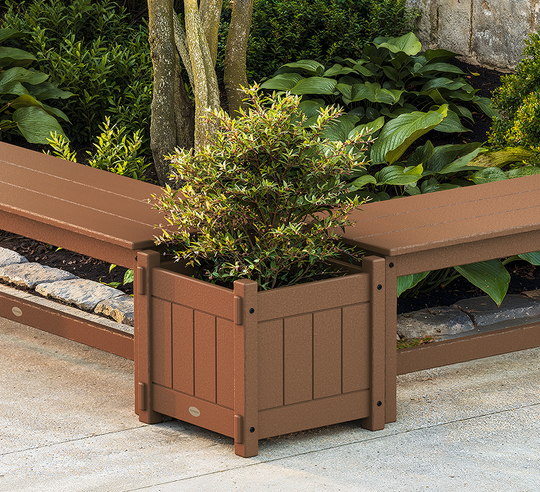
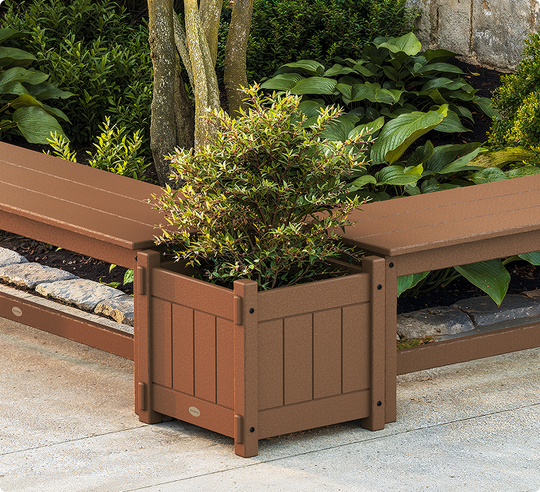
Coordinate picnic tables with benches, planters, and waste receptacles for a cohesive outdoor setting. Repeating colors or design details across furnishings gives the park a consistent look without making every gathering area identical.

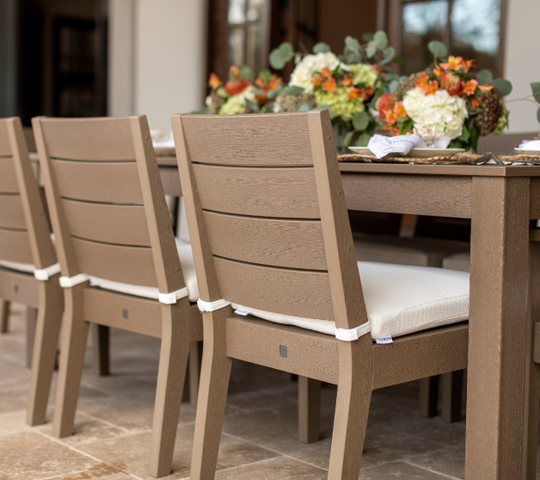
For community potlucks, seasonal celebrations, or volunteer appreciation gatherings, keep decorations simple with coordinated table coverings and low floral arrangements. Remove event decorations afterward to return the tables to their everyday park setting.