



1. Home
  2. Two-Tone Patio Furniture

Two-Tone Patio Furniture

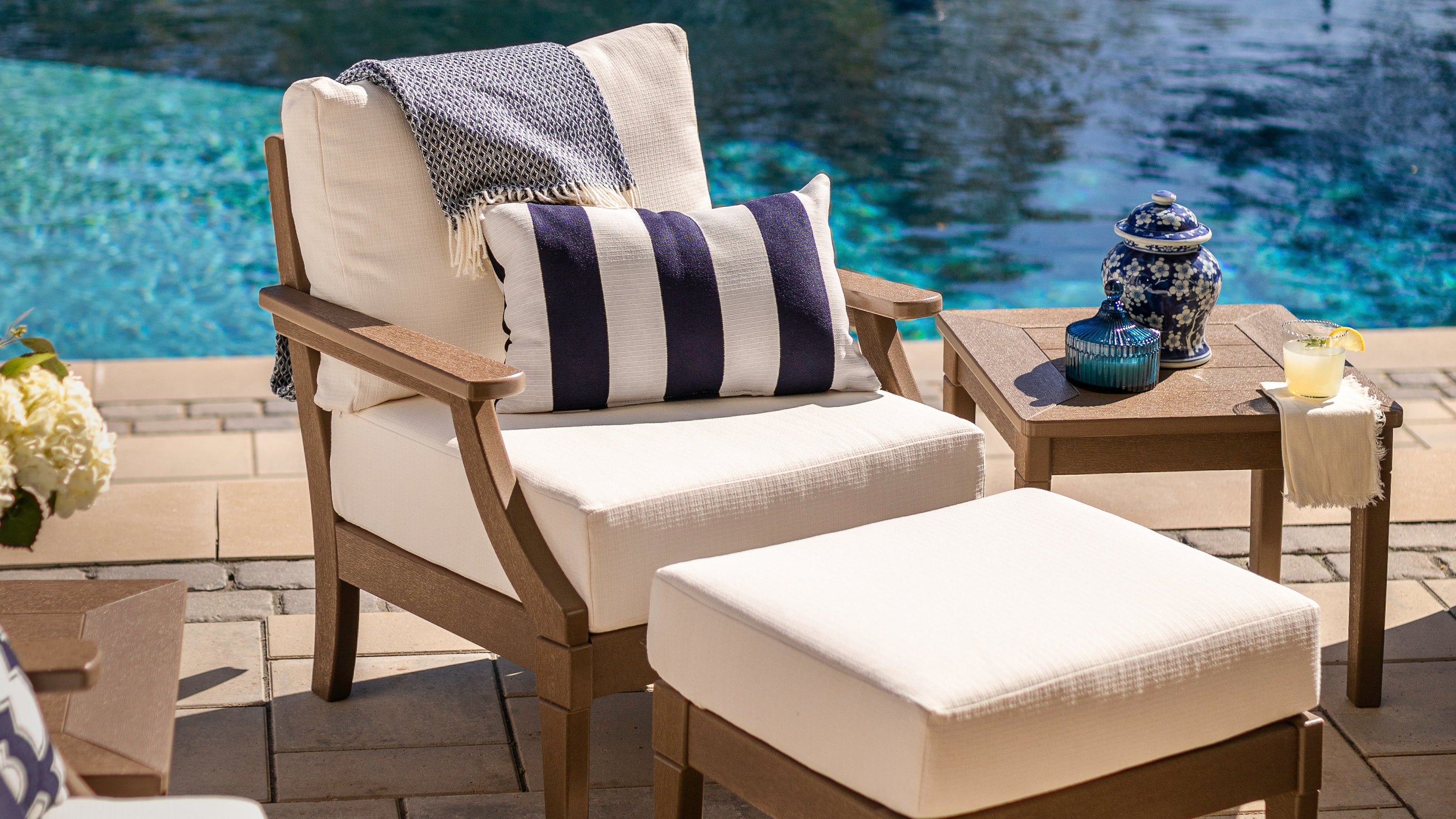
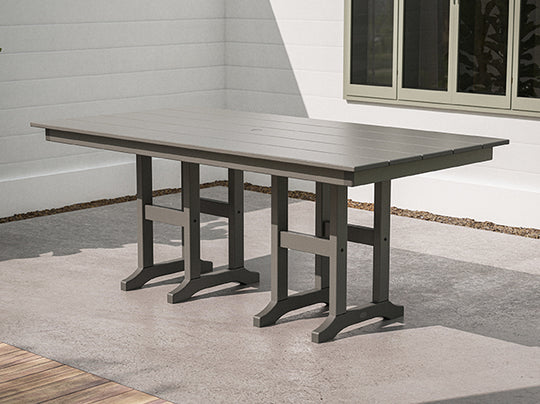
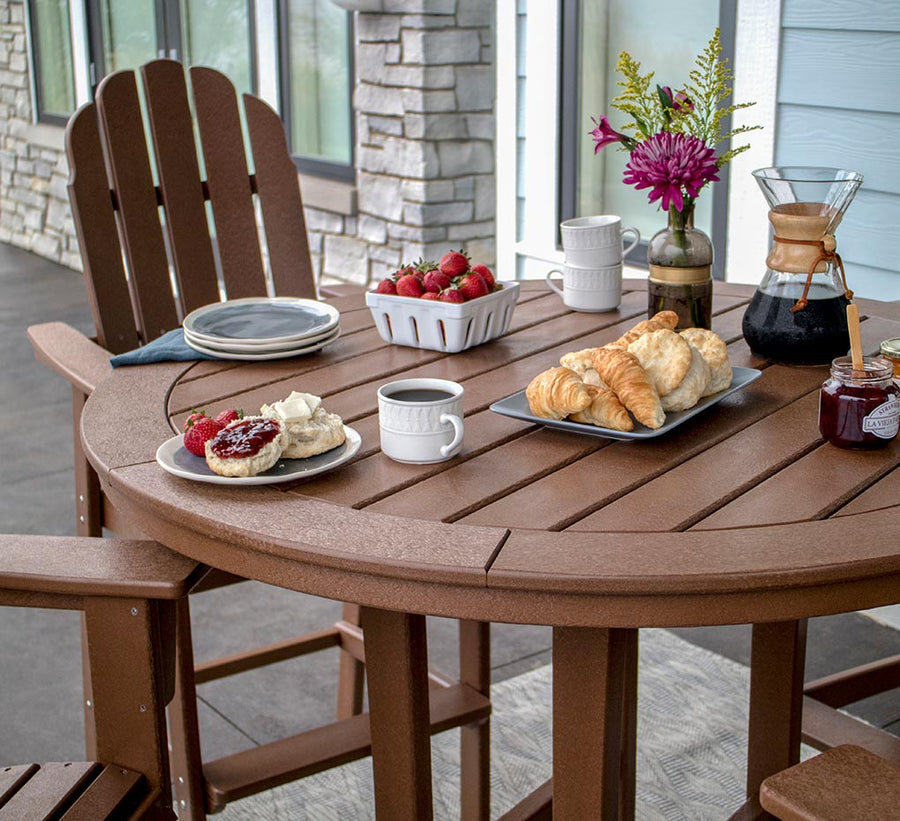
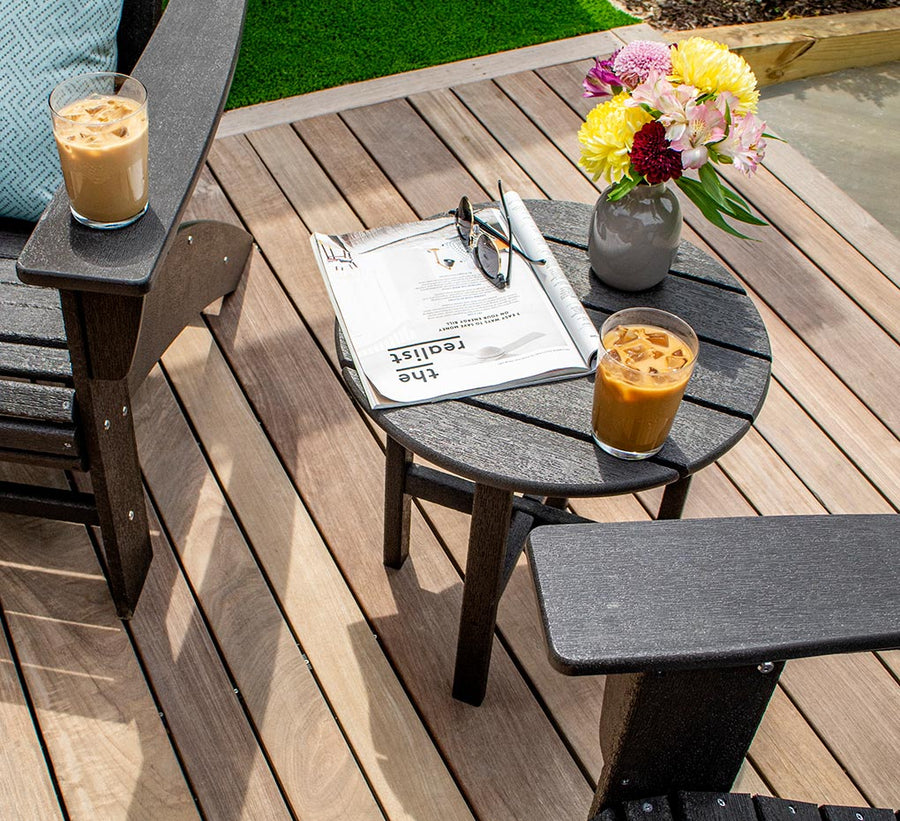
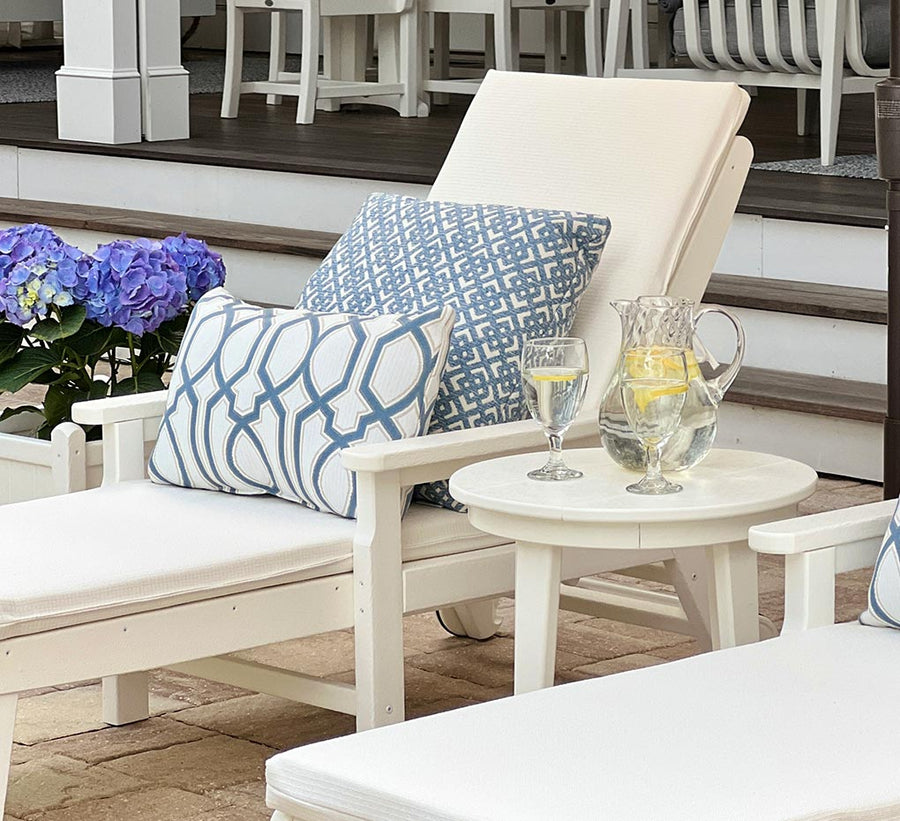
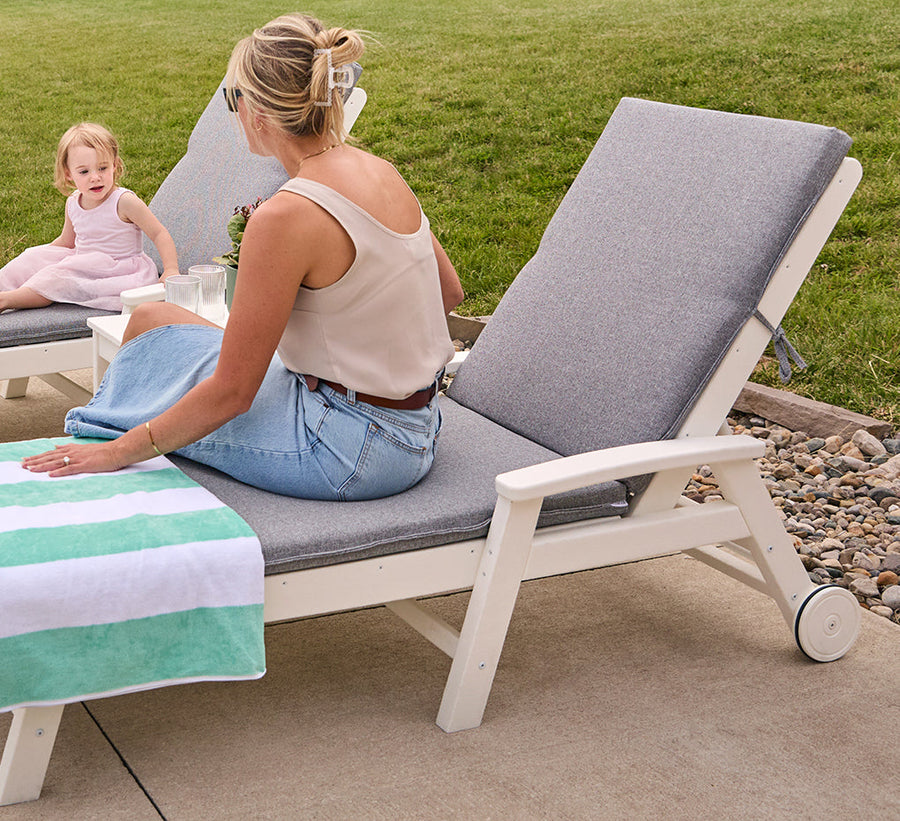
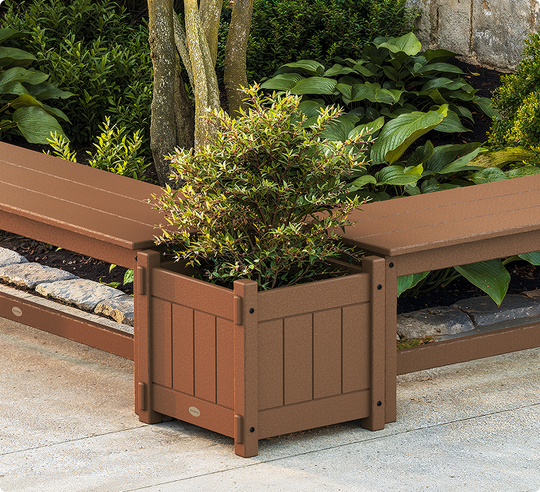
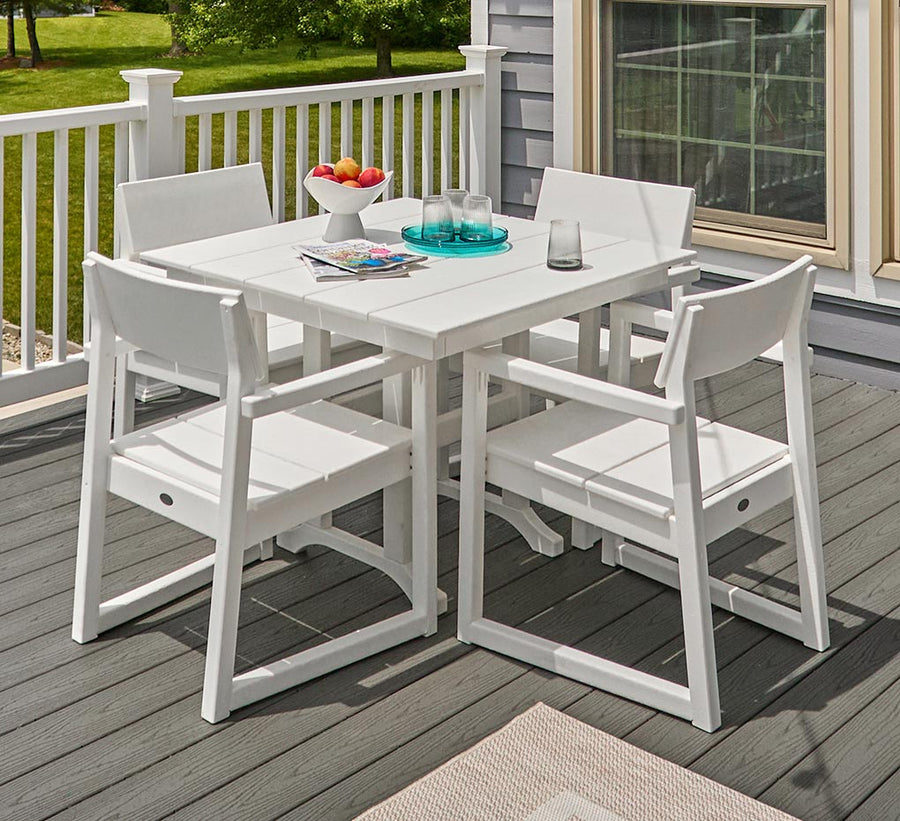
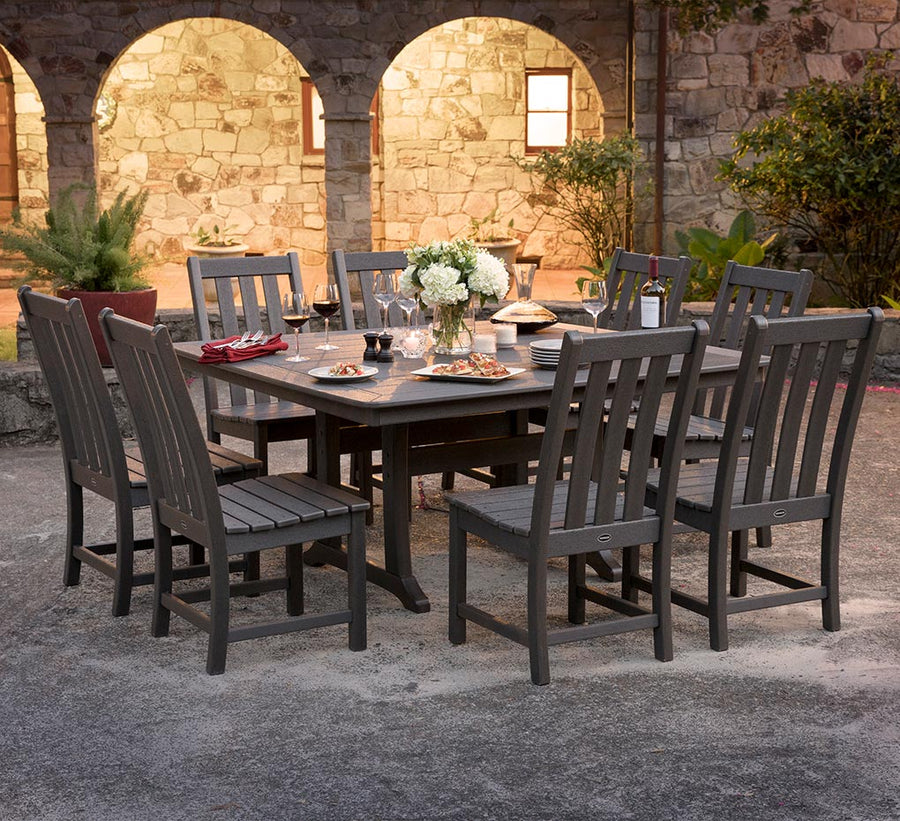
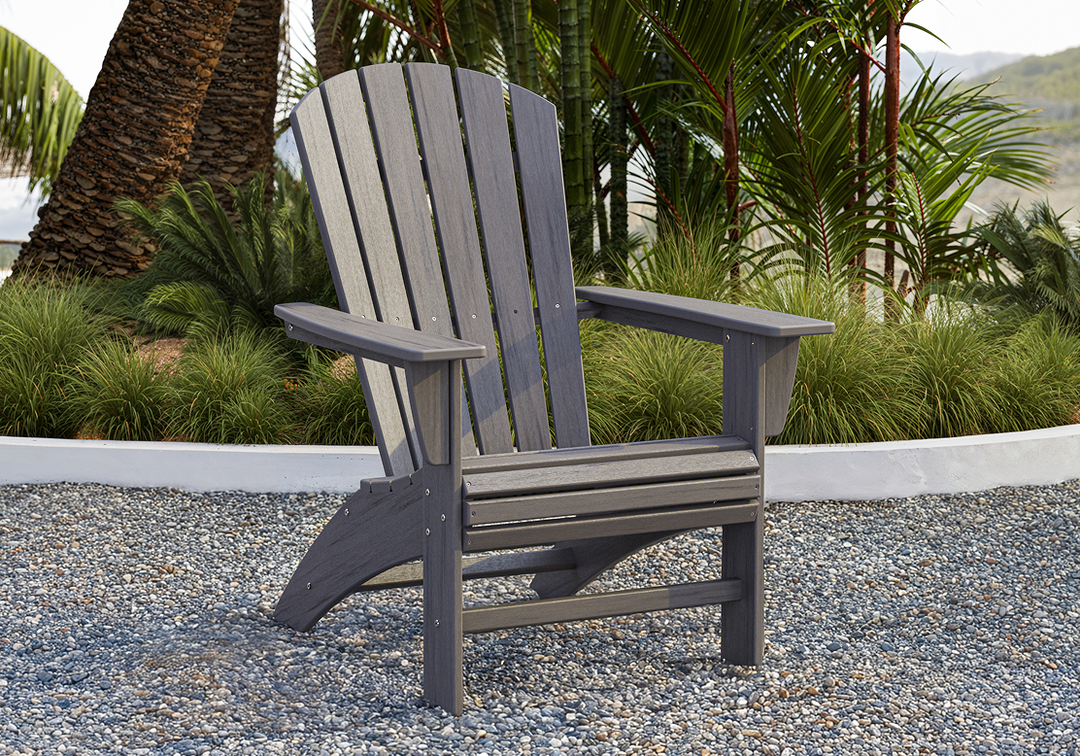
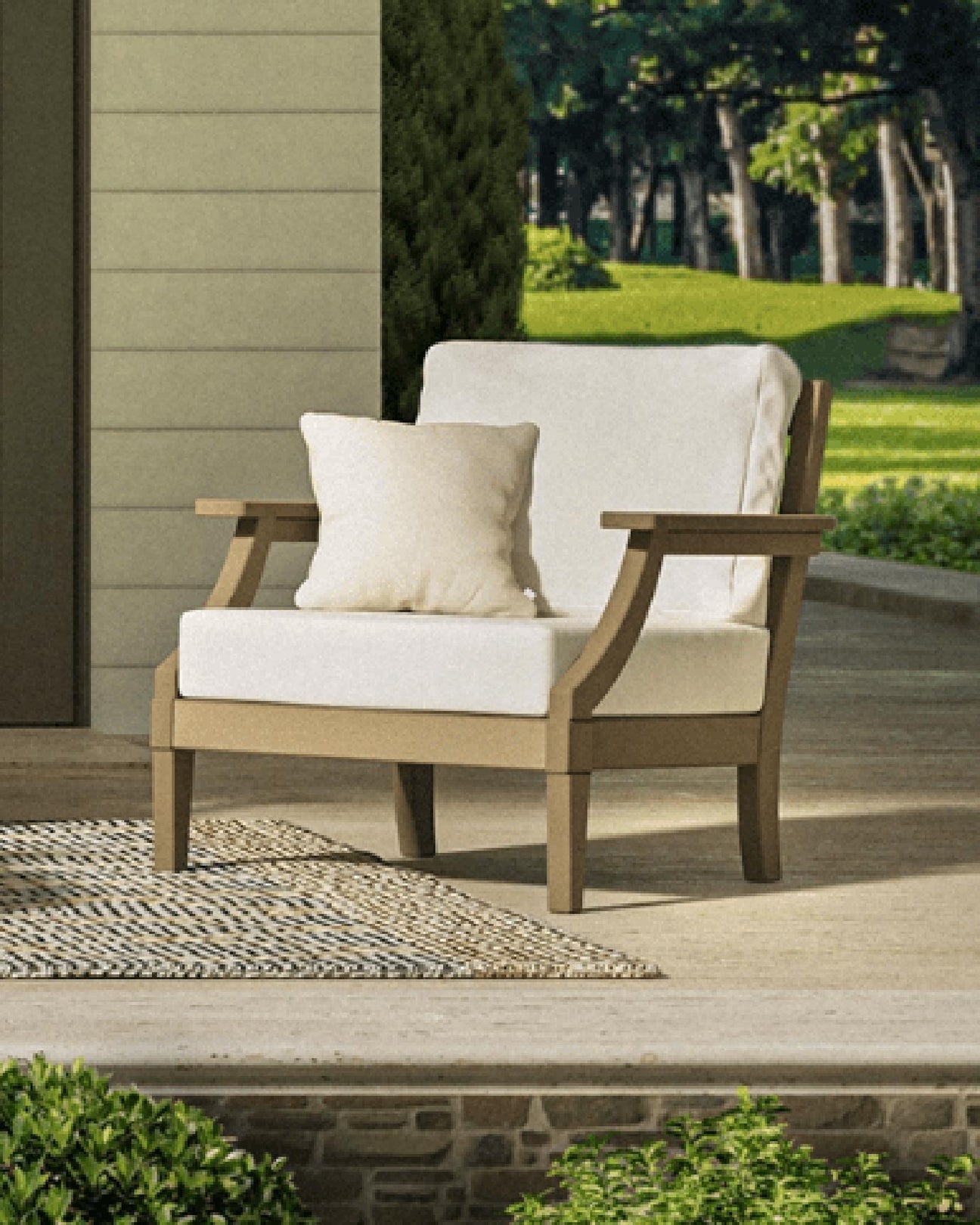
Explore two-tone patio furniture that pairs contrasting colors in a single design. Find color combinations that complement your home’s exterior and existing outdoor decor for a coordinated look on your patio, deck, or porch.

Read More

Filters

Applied filters

Two-Tone Patio Furniture

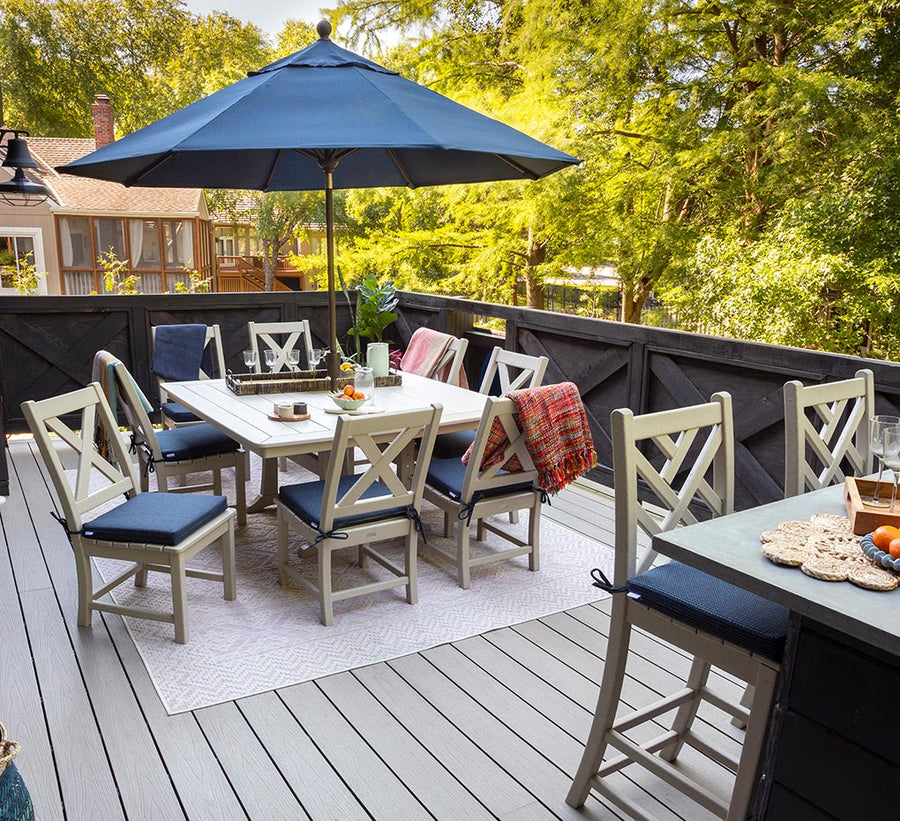
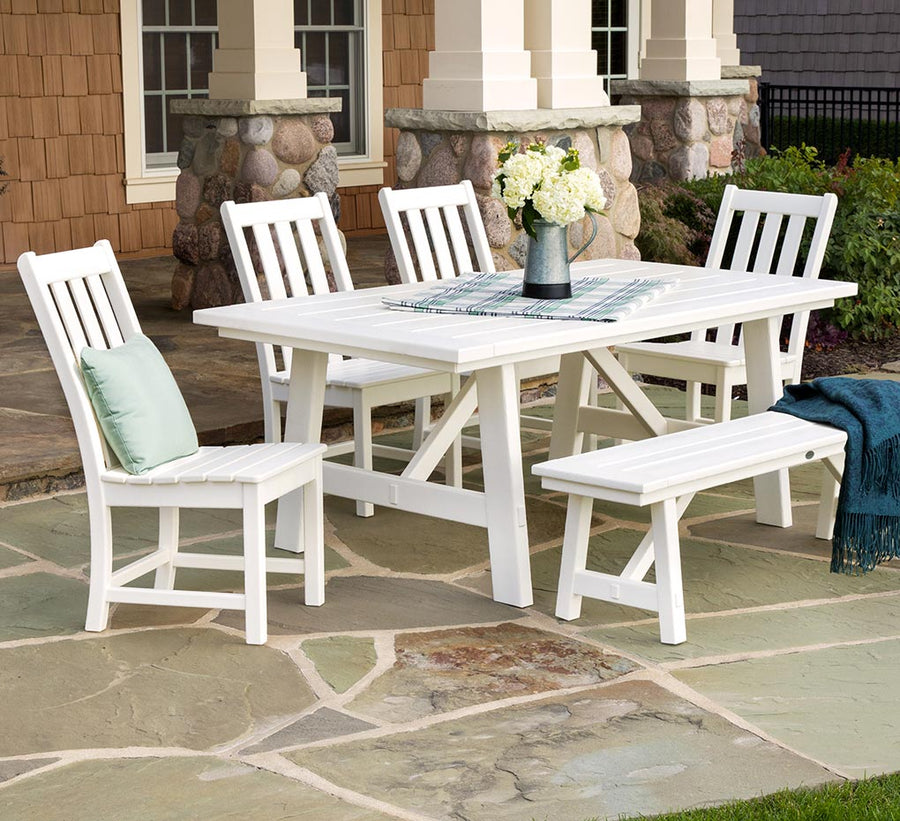
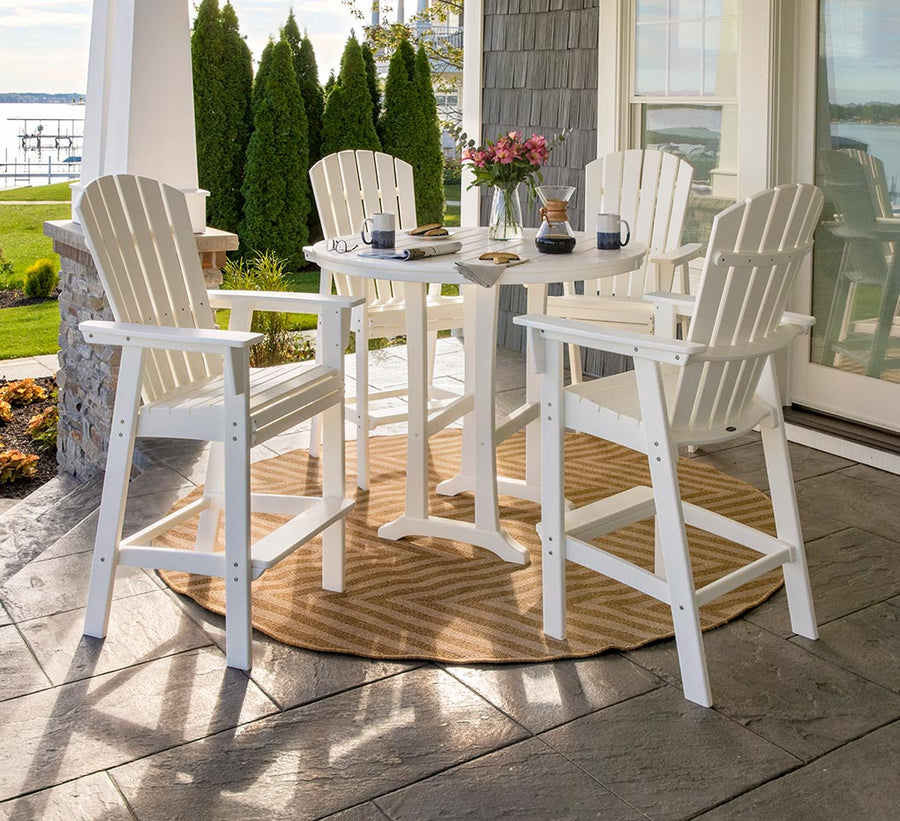
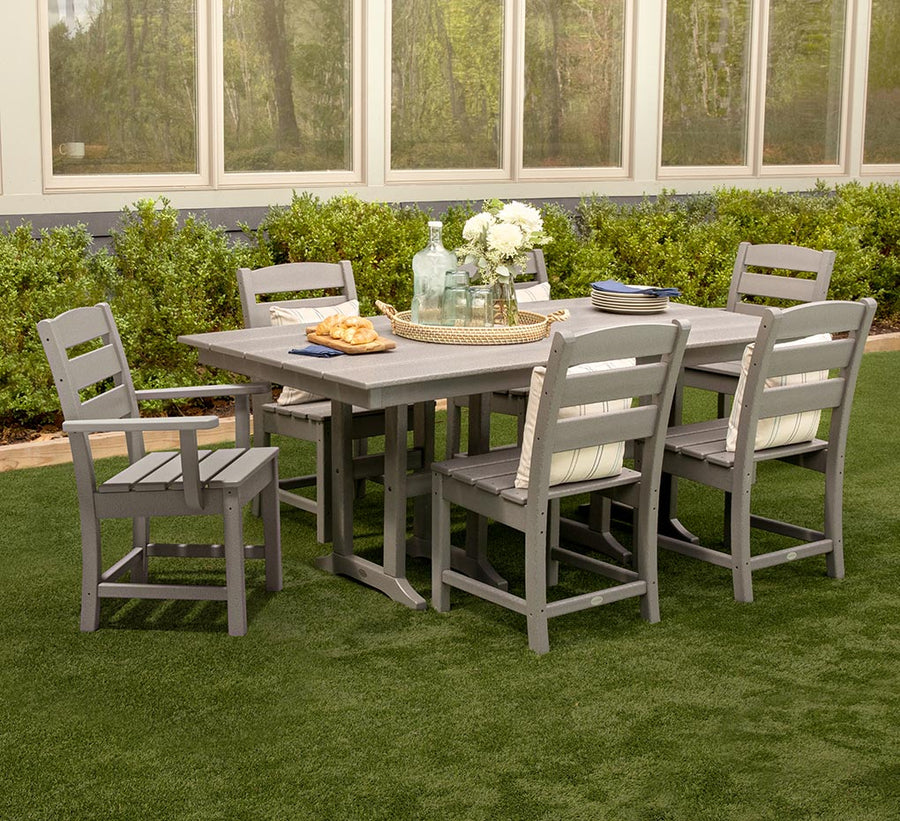
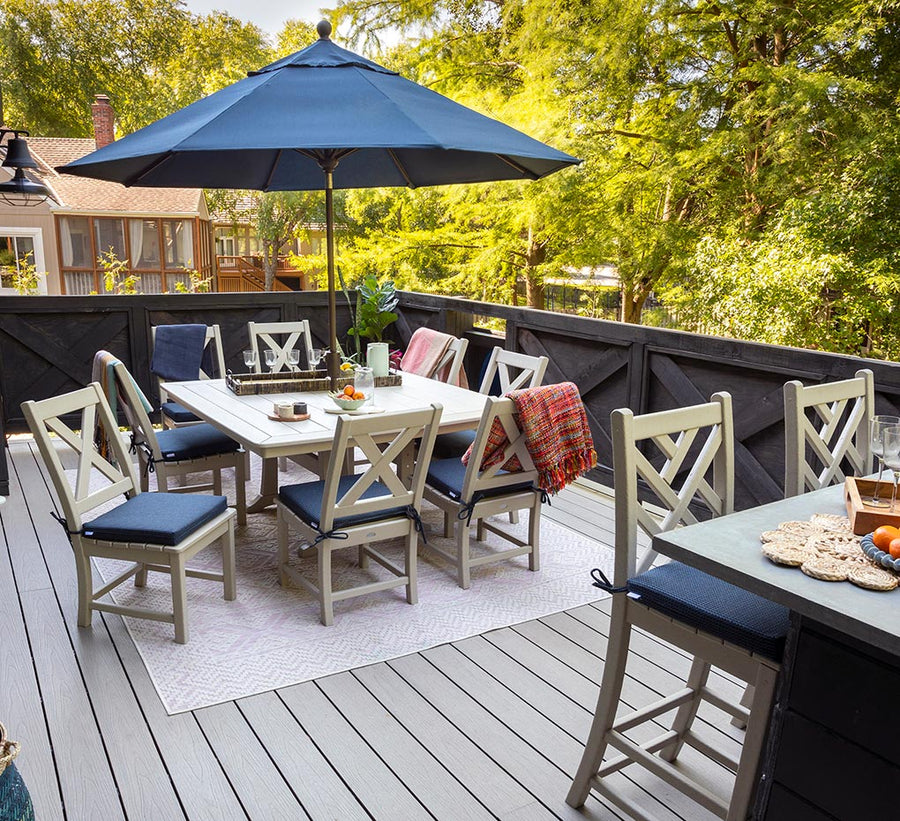
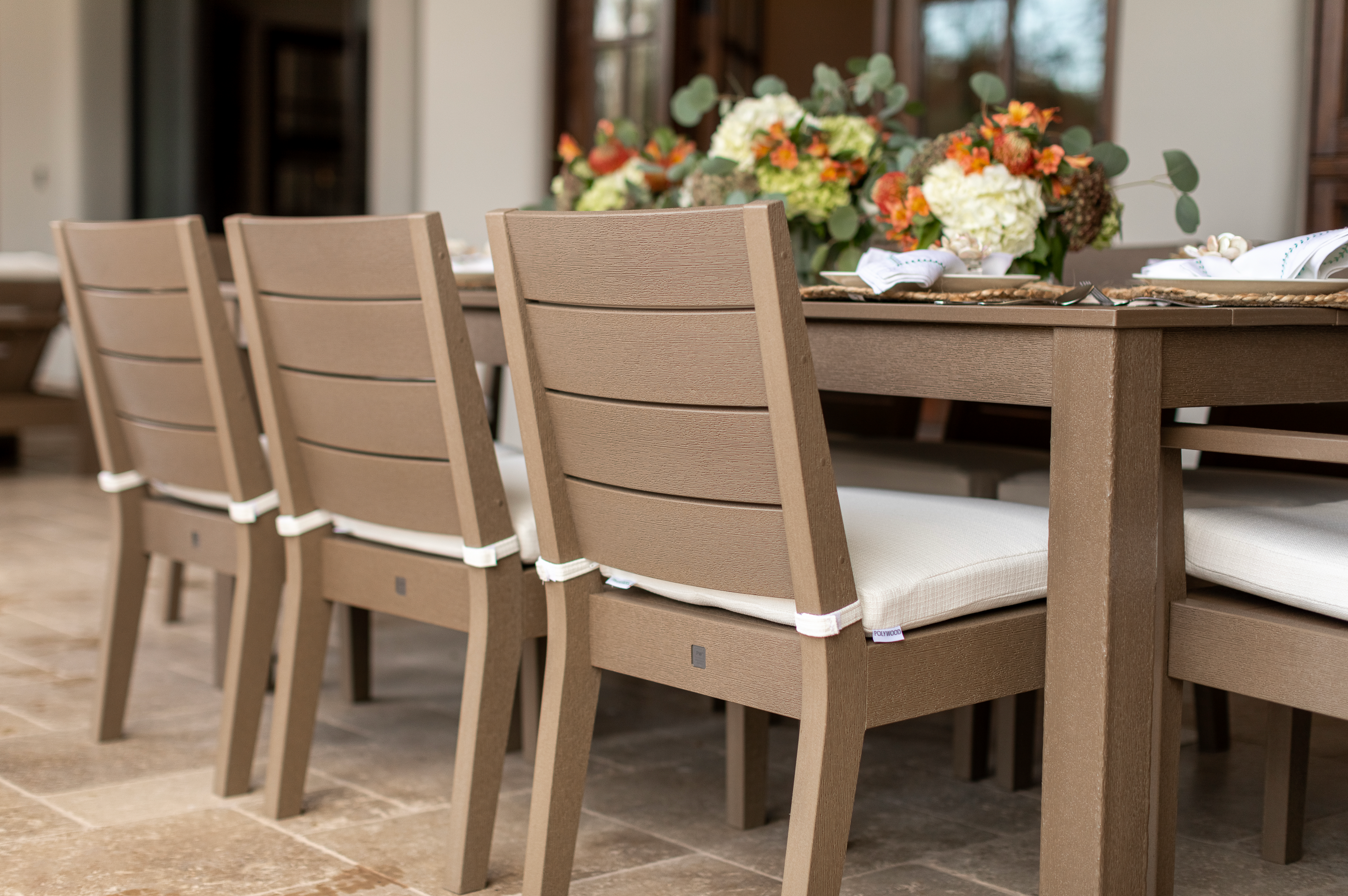
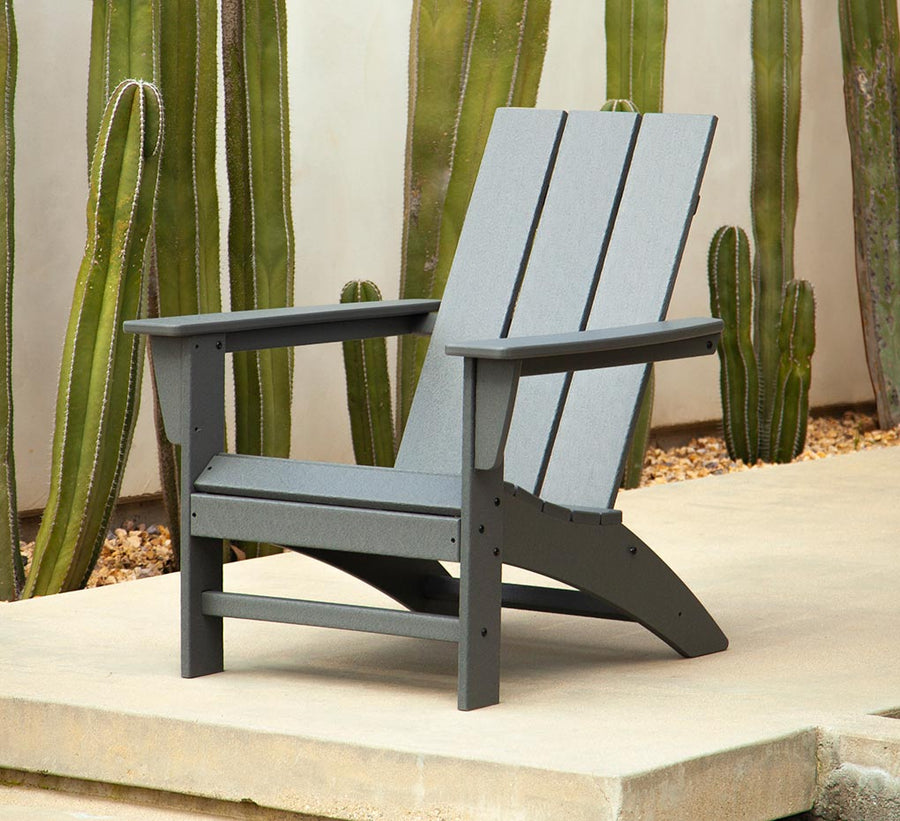
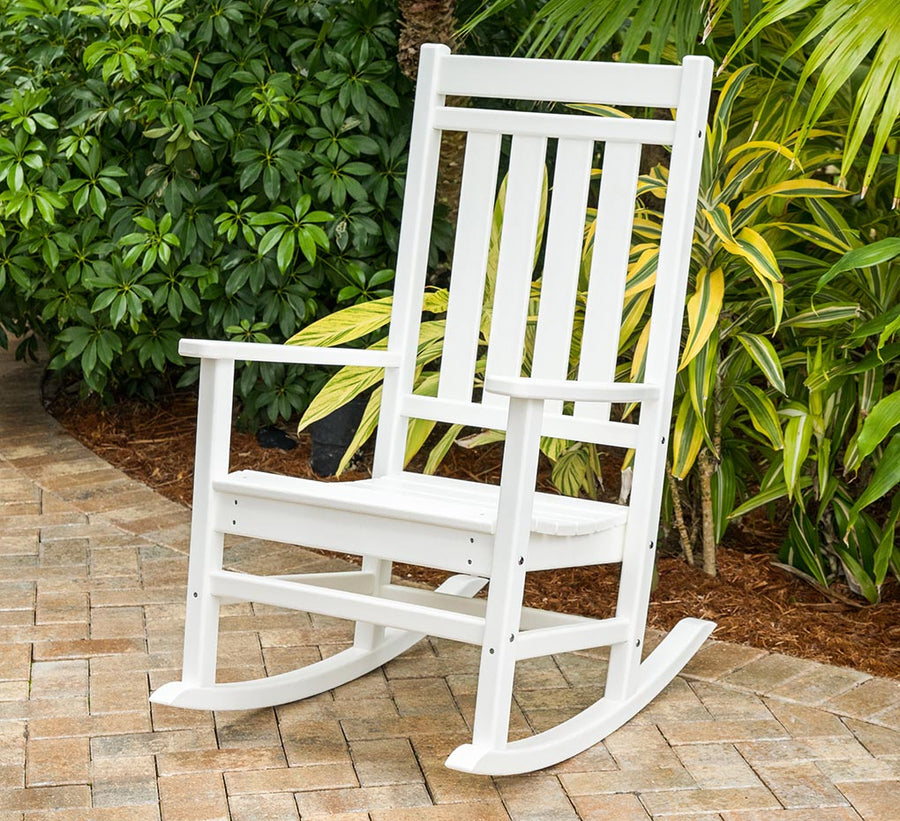
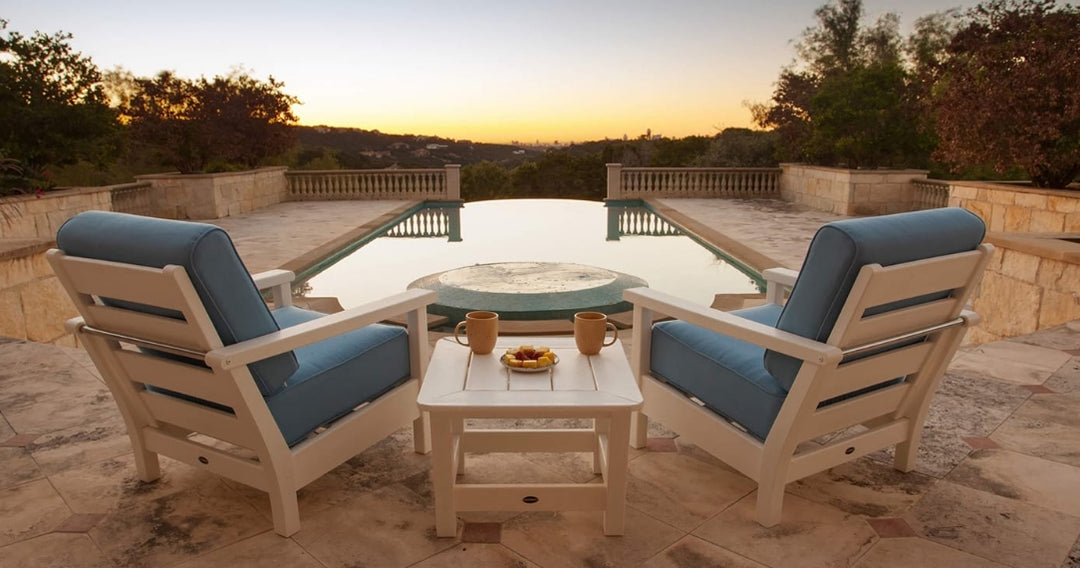
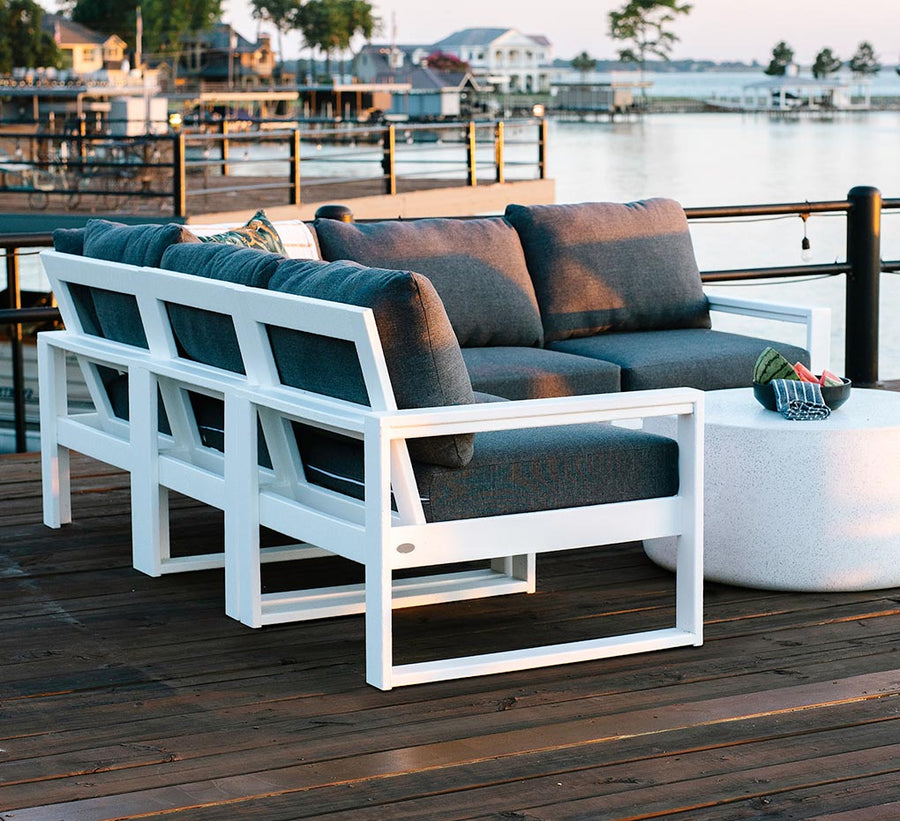
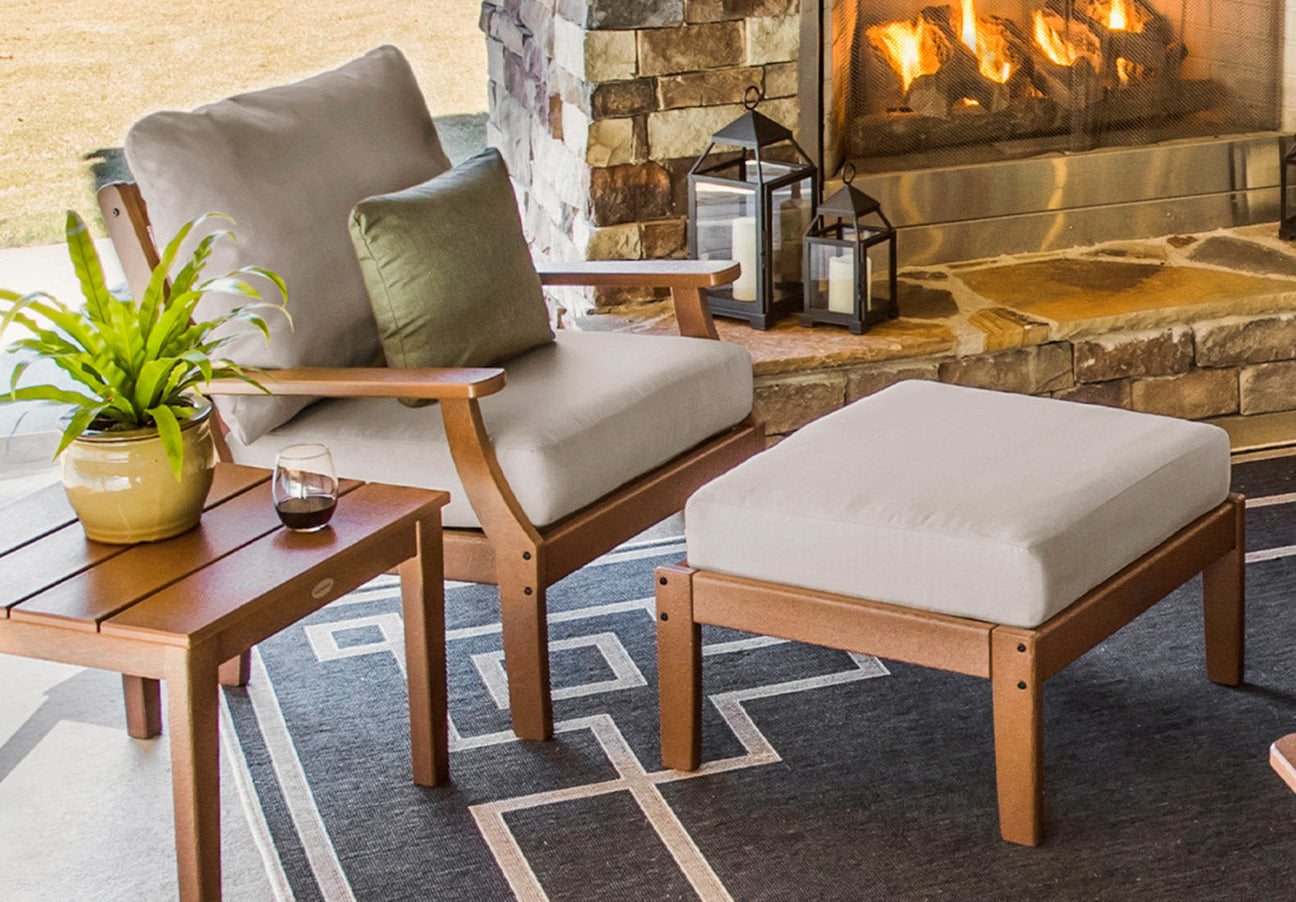
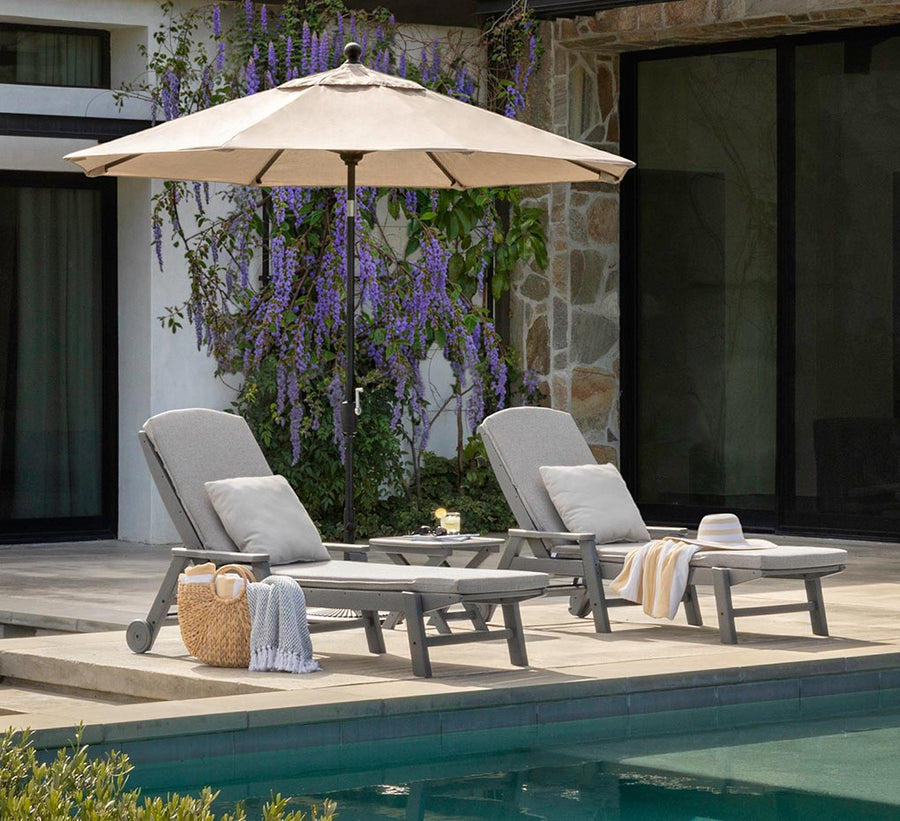
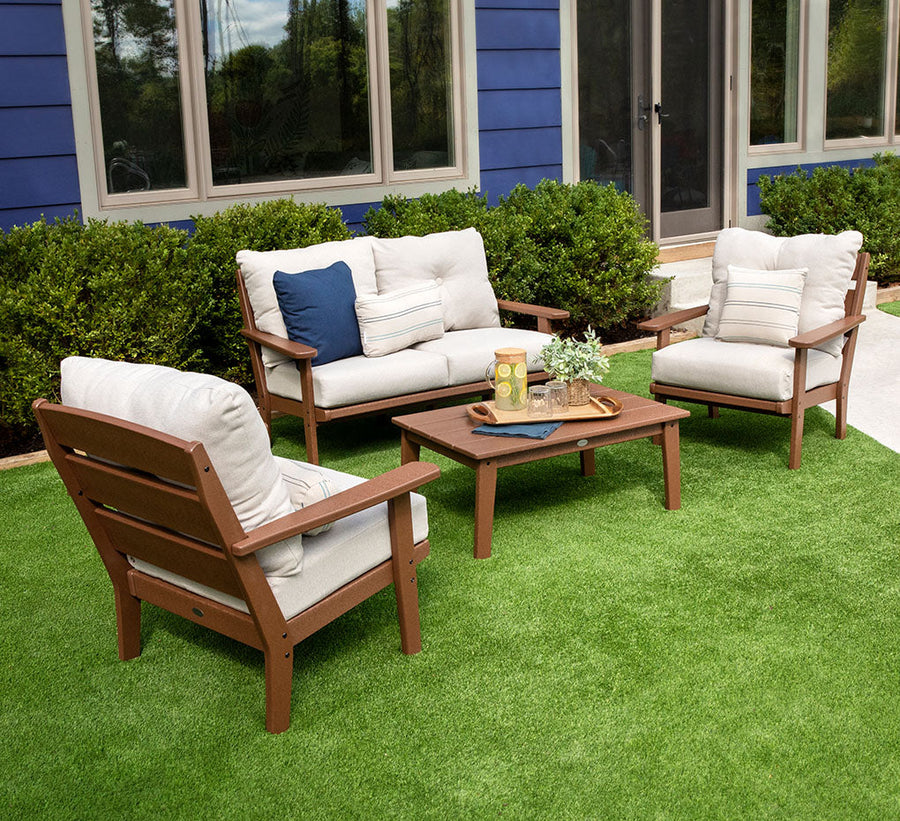
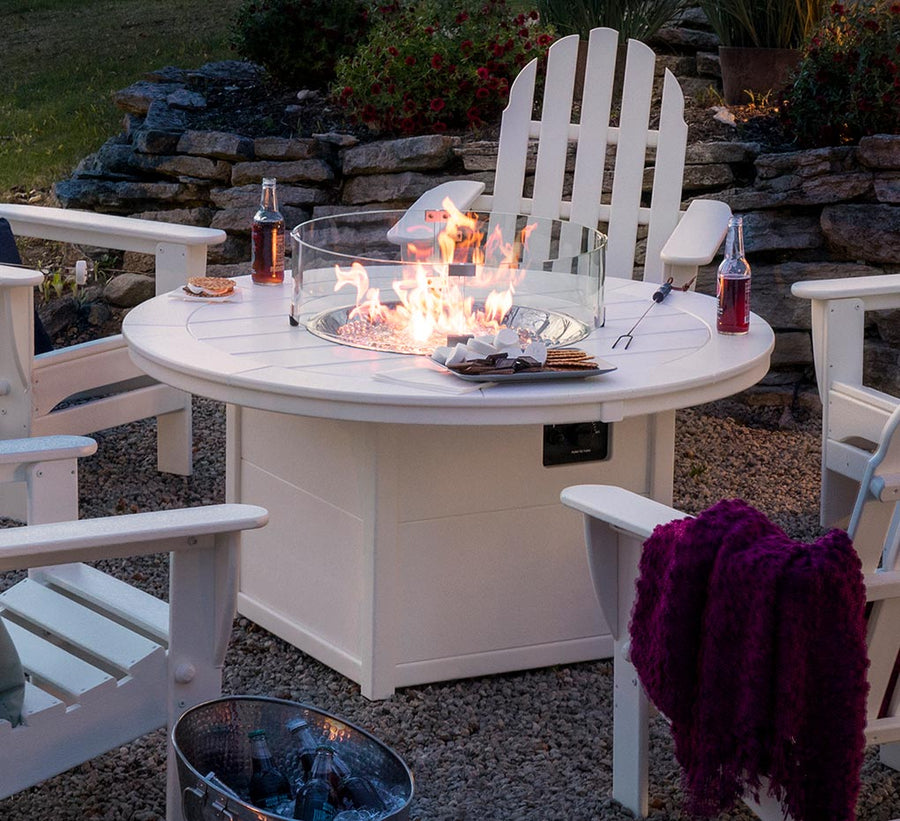
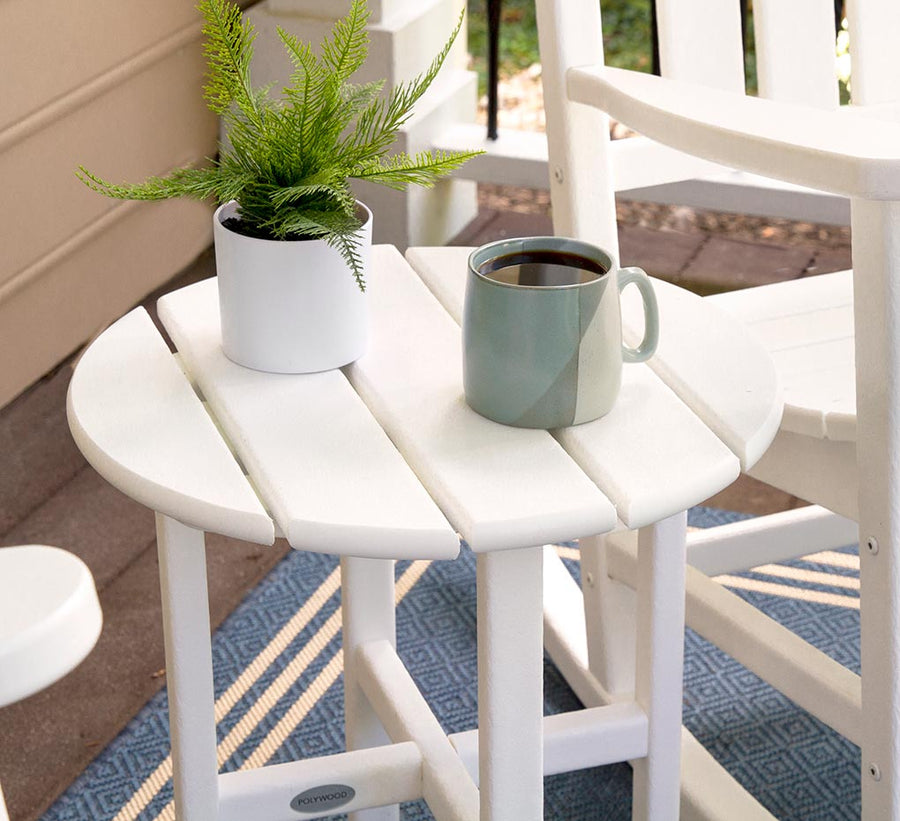
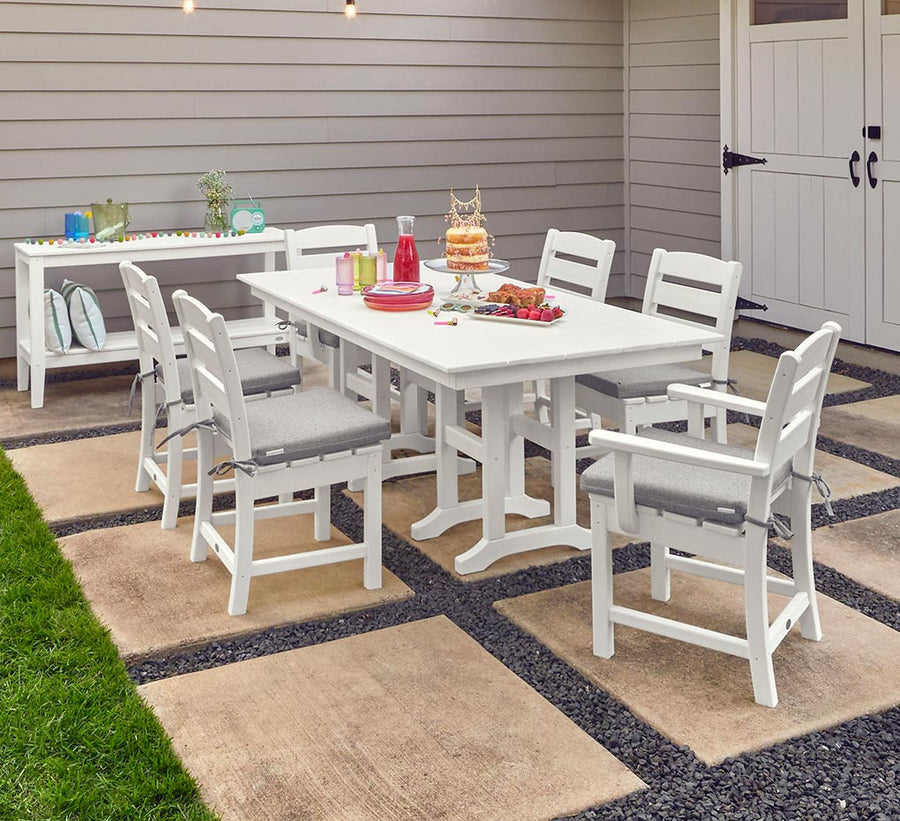
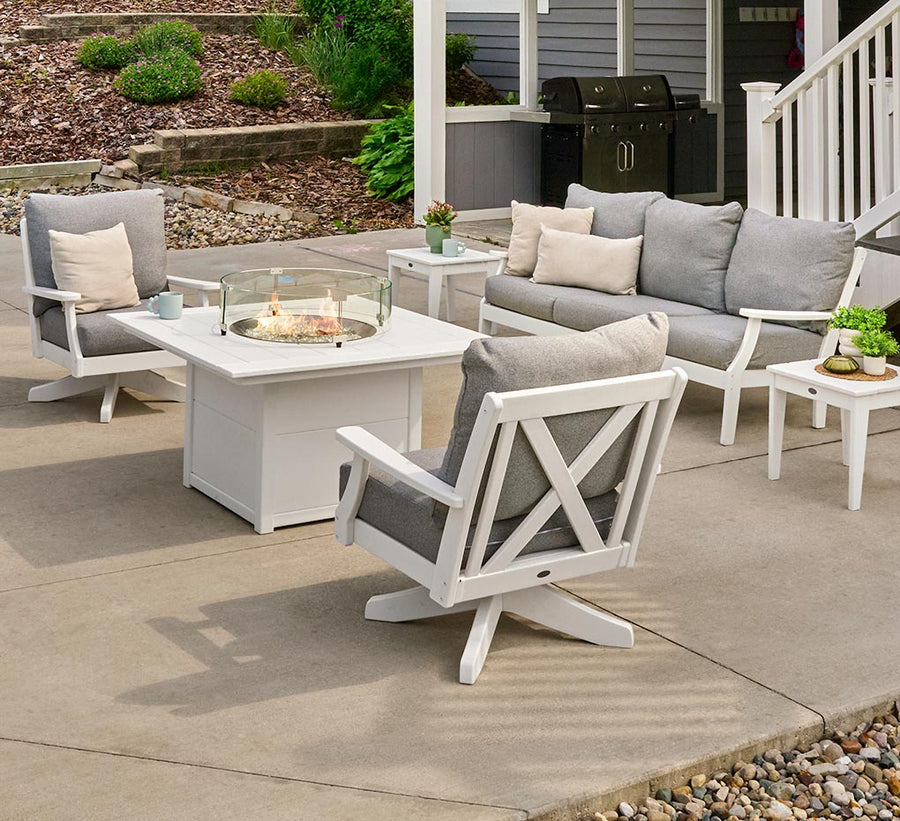
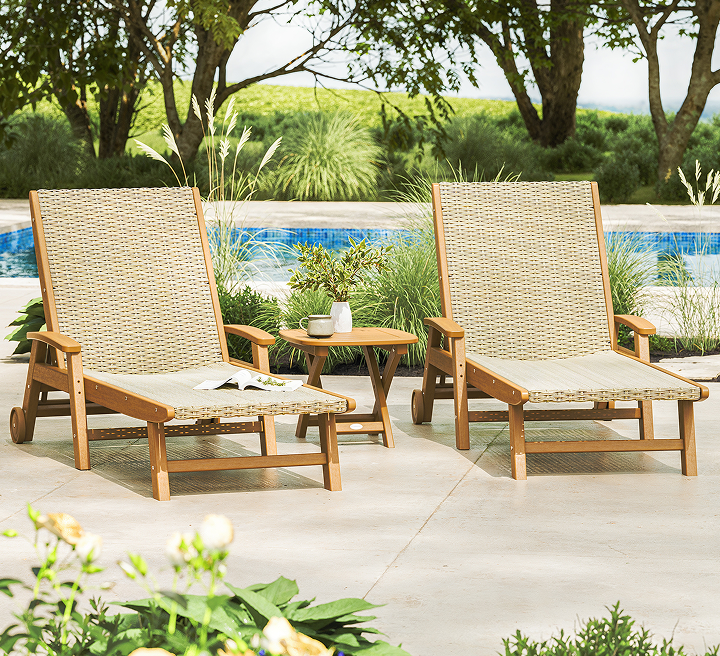
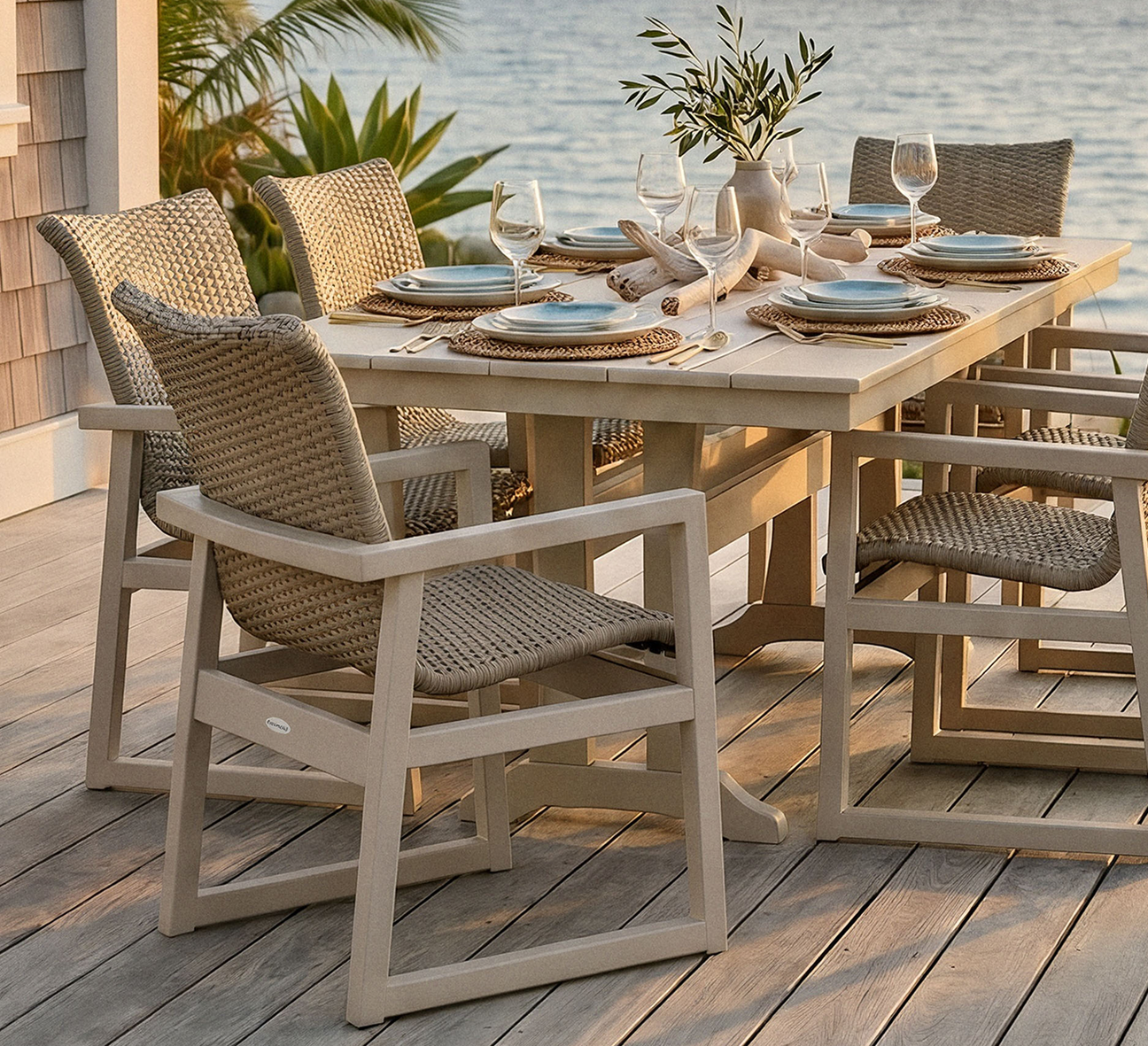
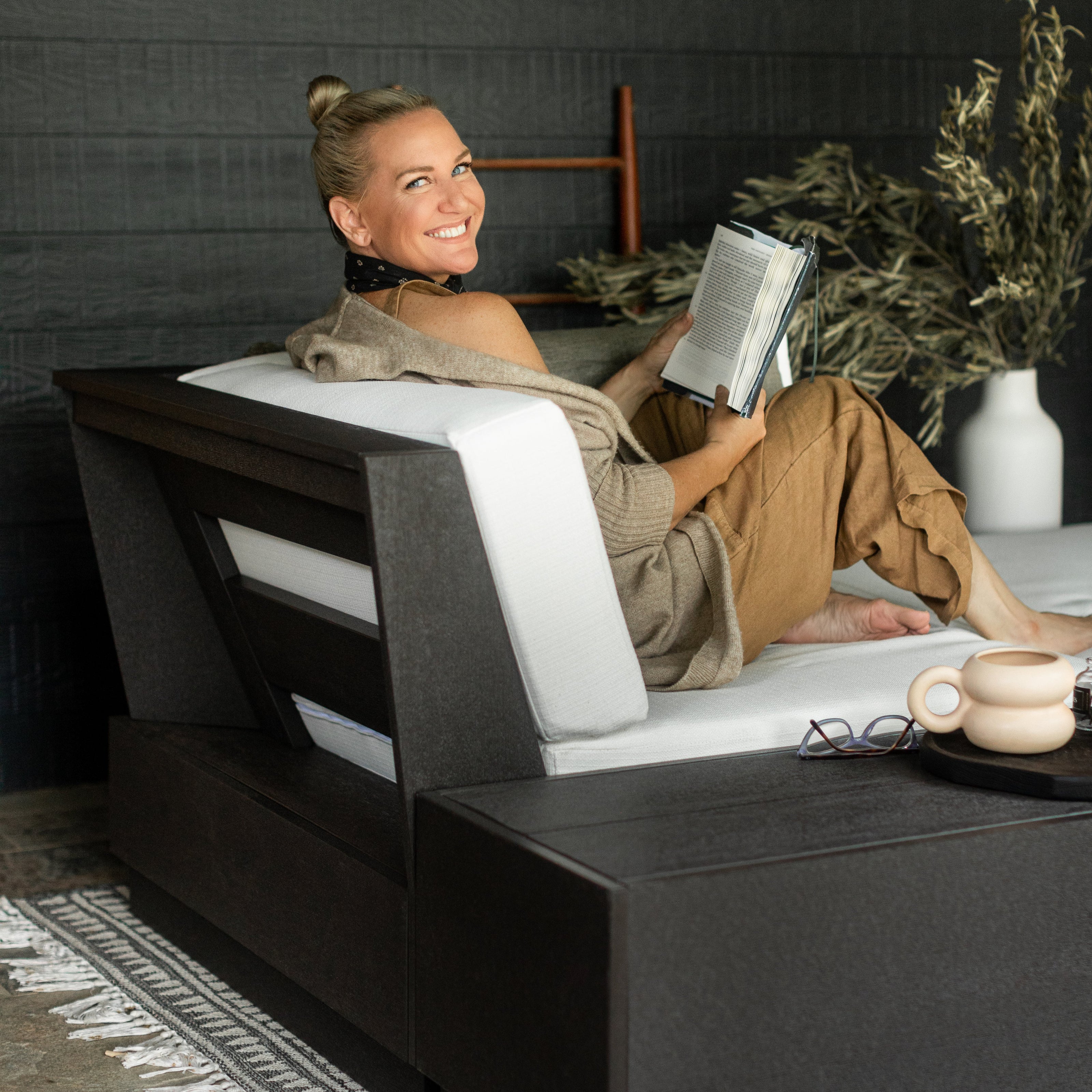
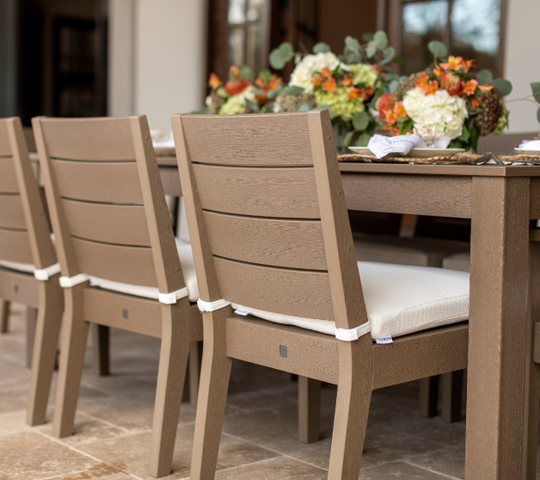
Two-tone patio furniture brings depth and definition to an outdoor space, pairing complementary or contrasting colors for a look that feels coordinated without being uniform. The distinction between two finishes can highlight a furniture silhouette, emphasize its proportions, and give a seating or dining area a more intentional presence. A subtle pairing creates a quieter effect that works alongside landscaping and architectural details, while a stronger contrast makes furniture a more noticeable part of the setting. This versatility makes two-tone styling appealing for everything from a welcoming front porch to a spacious backyard patio. It also offers a middle ground between a completely matching arrangement and a mix of unrelated pieces. For shoppers who want a cohesive outdoor space with a little more character, a two-color palette can introduce variety while maintaining a clear connection across the overall arrangement.

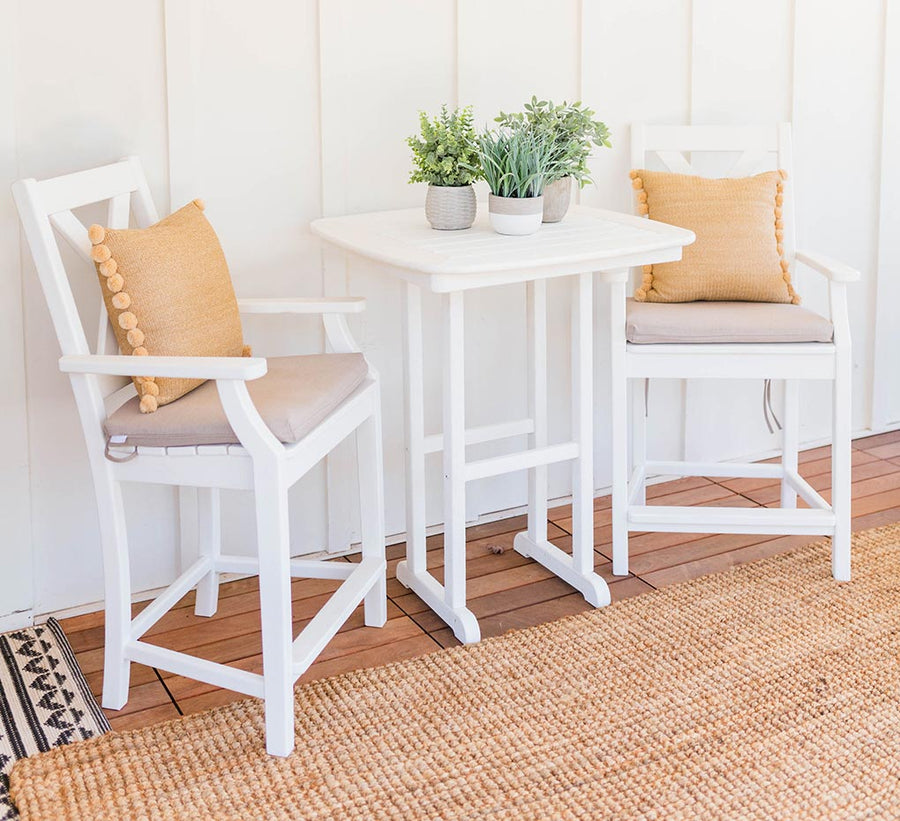
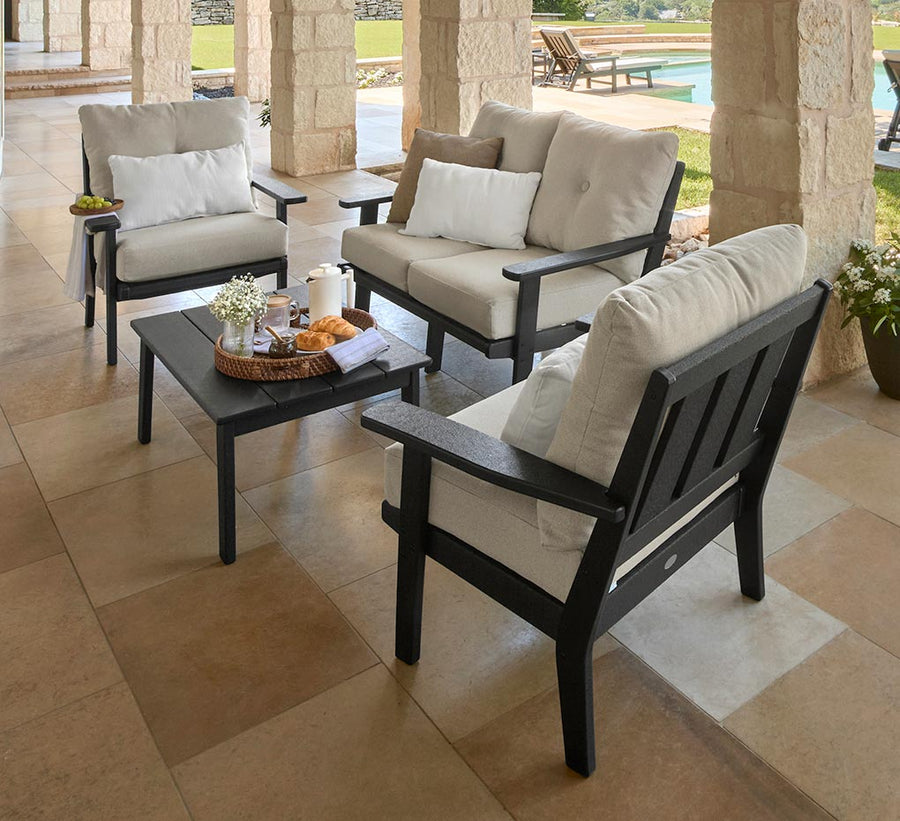
The right color relationship depends on both the furniture and its surroundings. Siding, brick, stone, decking, and nearby fencing all contribute to the backdrop, so a two-tone combination can feel especially balanced when one of its colors connects with an existing feature. The second color adds distinction, giving the arrangement its own identity without requiring every accessory to match. Closely related shades tend to create a softer transition, while a greater difference between light and dark produces more visible definition. The scale of the space matters, too: repeating a consistent palette can help a compact porch feel unified or connect separate gathering areas on a larger terrace. For households adding furniture over time, a clear two-color direction can also make the overall setting feel deliberate as it evolves. Cushions, outdoor rugs, and planters provide additional layers of color, leaving the furniture to establish a dependable visual foundation rather than compete with every decorative detail.

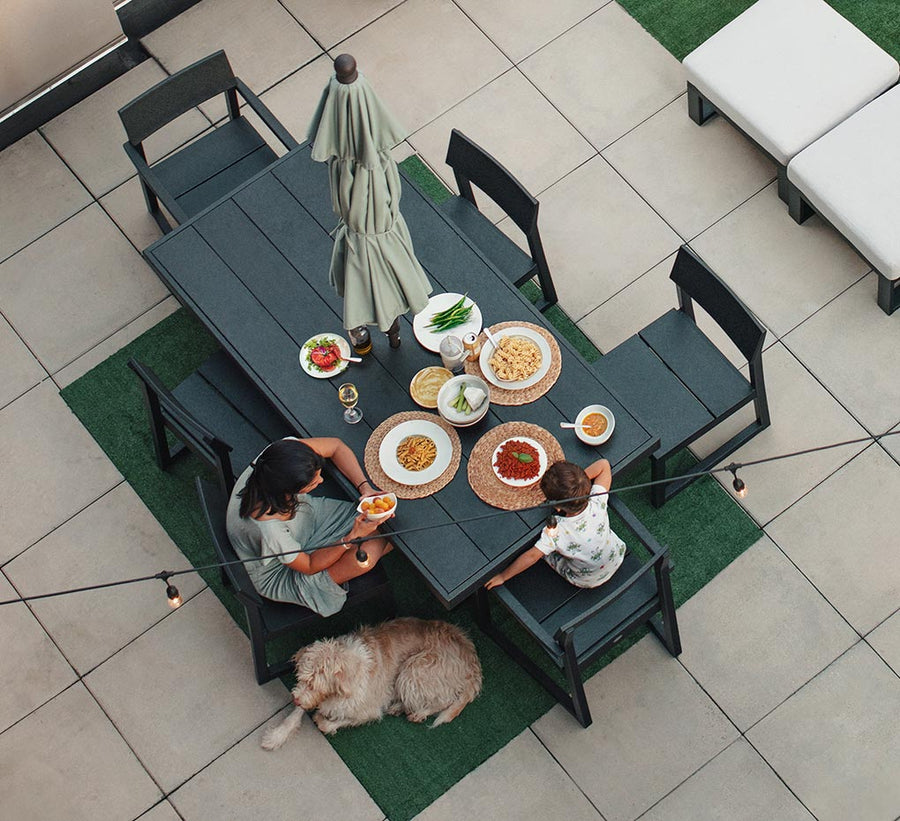
POLYWOOD pairs enduring outdoor style with an American-made, durability-first approach, making long-term enjoyment central to the appeal of two-tone patio furniture. Color is an important part of the decision, but everyday comfort, useful proportions, and a layout that suits the household deserve equal attention. A space meant for lingering conversations has different priorities from one centered on shared meals, and furniture should leave enough room for people to move comfortably around the arrangement. Two-tone styling works best when it supports those practical needs rather than becoming the only reason for a purchase. A palette that feels at home with the house—and remains appealing beyond a single decorating season—adds lasting value to an all-weather outdoor setting. For homeowners furnishing a new patio, refreshing a familiar porch, or bringing greater continuity to an established backyard, this combination of visual interest and everyday practicality offers a lasting foundation for outdoor living.

Read More

Frequently asked questions

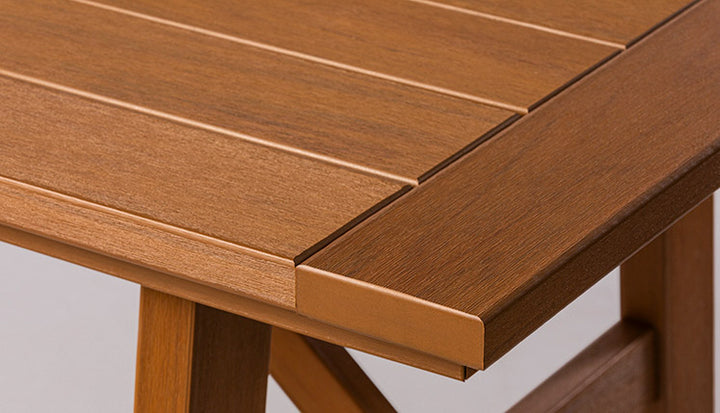
Two-tone patio furniture combines two colors in a single piece, creating contrast between elements such as the frame, seat, back, or tabletop. The paired colors highlight the furniture’s design and add visual interest to an outdoor space.

Start with colors already present in your home’s exterior, decking, or landscaping. A neutral pairing creates an understated look, while a stronger contrast makes the furniture a focal point. Choose colors you’ll enjoy season after season.

Yes. Choose solid-color pieces that repeat one of the colors in your two-tone furniture for a cohesive arrangement. Carrying that color through seating, tables, and outdoor accents helps tie the space together without making every piece match.

Yes. The furniture’s silhouette and color pairing help shape the overall style. Subtle contrasts complement traditional settings, while crisp, high-contrast combinations suit modern spaces. Simple lines and a restrained palette offer timeless appeal across both styles.

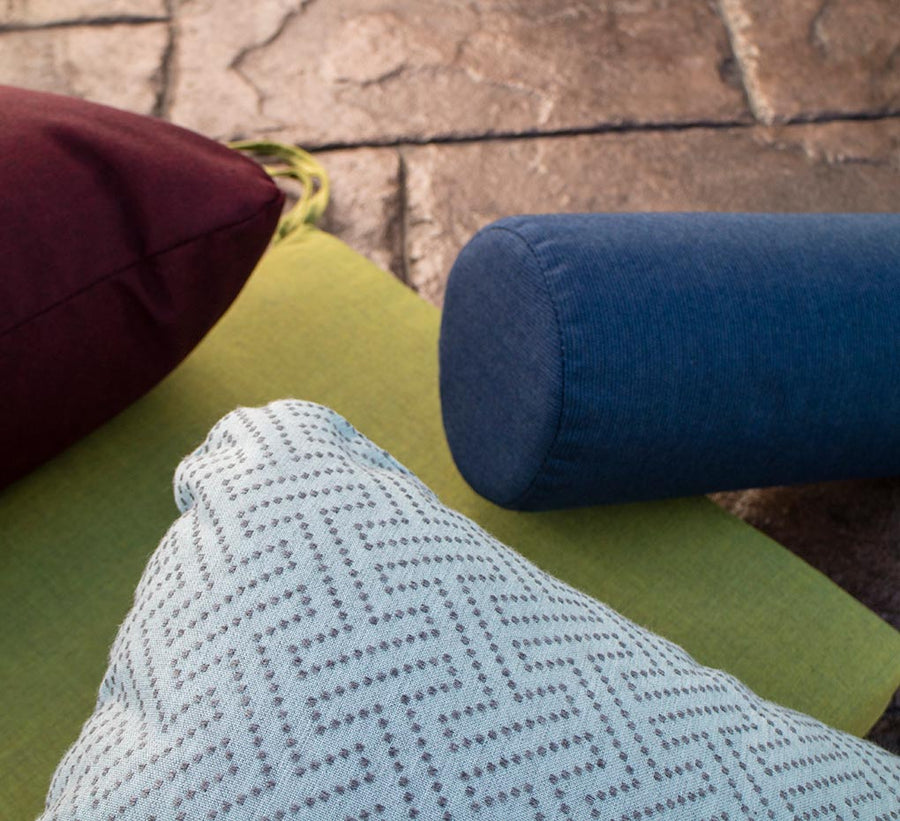
Use one furniture color as the foundation for cushions, an outdoor rug, or planters, then introduce a complementary accent. If the furniture has a bold contrast, keep surrounding patterns simple so the space feels balanced and inviting.