Spring Cleaning Checklist: Prep Your Patio Furniture and Accessories
Written by: Caitlin Evans
|
Published on
|
Last updated on
|
Time to read 8 min
Spring Cleaning Series: Part 1 of 3
Many of us are cozily cocooned inside our homes during winter, but the urge to get outside takes hold when springtime rolls around. It’s the season of renewal—the perfect time to brush off the winter doldrums and refresh your outdoor patio furniture.
Here's a handy outdoor spring cleaning checklist to help you keep your patio furniture and accessories primed for the season. From easy cleaning how-tos to preventative maintenance, we've got you covered.
Before you start cleaning, we recommend completing the following tasks:
Check the warranty and care instructions for any items you own, and follow the suggested cleaning methods.
When working with harsh chemicals and pressure washers, always wear goggles, gloves, a facemask, boots, and ear protection.*
Block off your work area so curious kids and pets can't wander in by mistake.
*NOTE: Some of the cleaning methods below include bleach. If you prefer a natural alternative, we recommend white vinegar.
Remove any cushions before cleaning. Different cleaning methods are required for cushions (see the Cleaning Outdoor Accessories section for outdoor cushion care).
Remove dust with a clean cloth or microfiber duster.
If you have natural wicker patio furniture (bamboo, rattan, willow, etc.), spot clean with soapy water and a soft cloth or sponge. This method works on resin wicker too.
Dry the wicker with a soft cloth and let it air-dry completely in a shaded, ventilated space before replacing the cushions.
Spring Clean
Take off any cushions and sweep away debris using a dry vacuum fitted with a brush attachment.
Gently scrub the wicker’s surfaces with soapy water and a soft-bristle brush. Use a toothbrush to get hard-to-reach spots.
Rinse your furniture and dry it thoroughly with a clean cloth, then allow it to fully air-dry in a shaded, well-ventilated area.
Scrub the soapy solution over your outdoor furniture with a soft-bristle brush.
Rinse with clean water and allow it to air-dry completely.
Spring Clean
Use a pressure washer (max 1,500 psi) with a 25- or 40-degree tip to remove tough stains. Keep the nozzle 12 inches away and move it slowly in steady strokes.
Gently scrub away dirt and grime using soapy water and a soft-bristle brush.
Let your furniture air-dry completely.
Spring Clean
Mix powdered oxygen bleach with water according to the product’s instructions and apply it to the furniture's surfaces with a soft-bristle brush.
Let the mixture sit for about 15 minutes. Scrub gently where needed before rinsing with clean water.
Allow your furniture to air-dry completely before use.
PRO TIPS:
Spot test the oxygen bleach mixture in an inconspicuous area first to make sure it won’t harm the wood.
Avoid cleaning in direct sunlight to prevent rapid drying.
Cleaning Wrought Iron Patio Furniture
Quick Clean
Remove any cushions.
Clear away loose dirt with a dry vacuum, leaf blower, or hand broom. For hard-to-reach places, use a toothbrush.
Mix mild dish soap and water in a bucket.
Wash away grime with soapy water and a clean cloth, using the toothbrush to scrub small spaces.
Rinse your furniture with clean water and let it air-dry.
Spring Clean
Follow the Quick Clean method shown above.
Remove rust, chipped paint, and stains with sandpaper or a wire brush. Repeat as needed on stubborn areas.
Apply an even coat of touch-up paint to the impacted areas.
Let the paint cure completely before using your furniture.
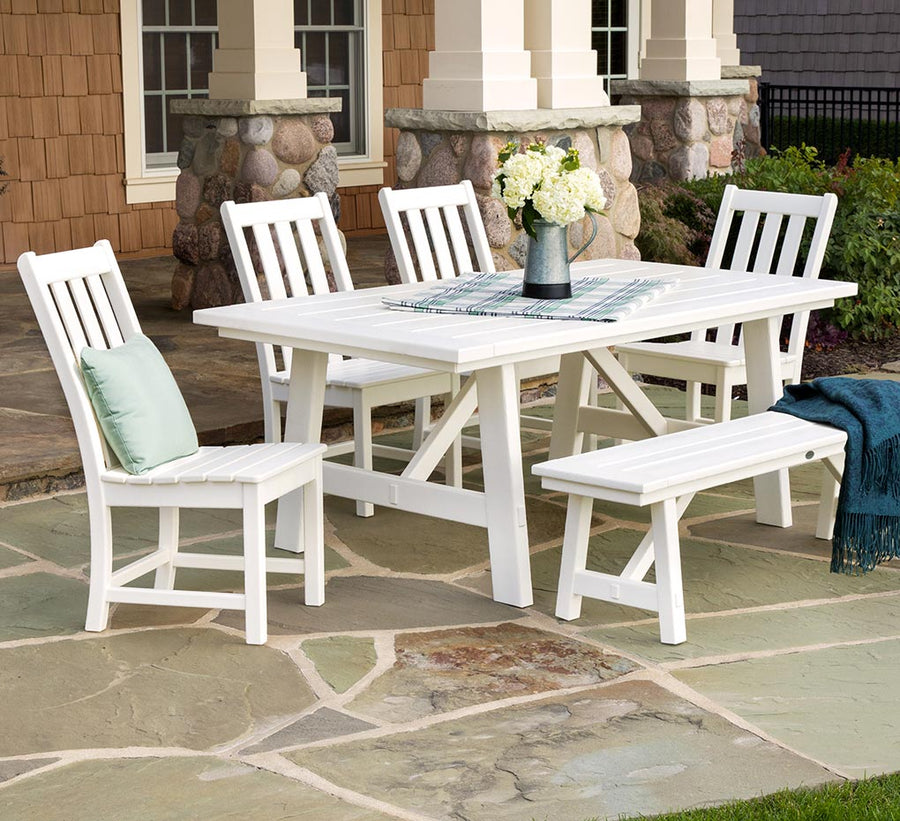
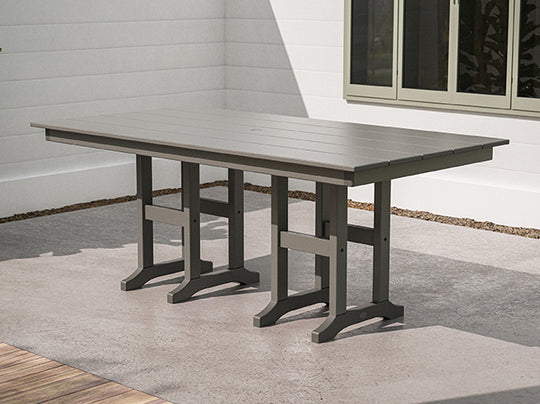
Cleaning Outdoor Furniture Made of Injection-Molded Plastic
Quick Clean
Mix mild dish soap and warm water in a bucket.
Rub the soapy solution on your furniture with a clean cloth.
Rinse with clean water and let each piece air-dry completely before using.
Spring Clean
Mix a cup of white vinegar into a bucket of water.
Scrub the furniture with the vinegar solution and a soft-bristle brush.
For stubborn stains, apply a baking soda paste, leave it on for 10 minutes, then scrub.
Rinse with clean water and let furniture air-dry in a shady spot.
Cleaning Outdoor Accessories
Extend the lives of your outdoor pillows, cushions, and umbrellas with these easy cleaning tips.
Cushions and Pillows
Quick Clean
Brush off loose dirt.
Mix a ¼ cup of dish soap per gallon of warm water in a bucket.
Dip a clean cloth in the mixture and wipe down the cushion fabric.
Rinse with clean water.
Dry cushions and pillows on their sides with the zippers facing down—this helps water drain out faster.
Spring Clean*
Mix 1 tablespoon of Borax and 1 tablespoon of mild dish soap per quart of warm water. Be sure Borax is fully dissolved before pouring the solution into a spray bottle.
Spray the solution directly onto the fabric and let it soak for a few minutes.
Scrub the solution in with a clean cloth or soft-bristle brush. Let it stand for 10–15 minutes, then rinse well with clean water.
Dry the cushions on their sides with the zippers facing down.
*NOTE: This method is safe for outdoor solution-dyed fabrics and most polyester and polypropylene fabrics. Avoid using it on delicate indoor fabrics.
Use a dry vacuum fitted with a brush attachment to remove debris.
Rinse with clean water.
In a bucket, mix equal parts water and white vinegar and add a bit of dish soap.
Dip a clean cloth in the soapy water and clean any noticeable stains on the umbrella’s base, shaft, and canopy.
Rinse your umbrella and leave it open to air-dry.
Spring Clean Detachable Fabrics
Remove the umbrella fabric from the frame and shake off loose debris.
Rub liquid detergent directly on stains.
Let it soak for 10–15 minutes, then scrub the fabric with a soft-bristle brush.
Rinse with clean water.
In a bucket, blend equal parts water and white vinegar with a small amount of dish soap.
Using a soft-bristle brush, scrub the solution into both sides of the fabric, the umbrella shaft, and its base.
Let it soak in for 10 minutes, then rinse everything with clean water.
Spread the canopy out on a tarp and let it air-dry overnight.
Reattach the fabric to the frame once it's completely dry.
Preventive Maintenance
Here are our tips for keeping your outdoor furniture in excellent condition for years to come.
Patio Furniture
All Materials
Store furniture in your shed or garage when you aren't using it.
Invest in durable covers to protect pieces from the elements.
Aluminum and Wrought Iron
Use touch-up paint on aluminum and wrought iron to cover any chips or scratches in the finish.
Prevent water buildup inside aluminum frames by periodically removing the foot caps.
Apply mineral oil or baby oil to textured aluminum finishes to repel dirt and debris.
Spread a thin, even coat of fine car wax on non-textured aluminum and wrought iron to maintain its appearance.
Natural Wicker
Keep wicker dry. Moisture can weaken the fibers, leading to breakage.
Style furniture in a covered space, like a gazebo, to prevent cracking or fading from sun exposure.
Condition wicker fibers with lemon oil a few times a year for added protection.
Wood
To avoid scratches and damage, use even pressure and move with the grain when sanding or scrubbing wooden furniture.
Clean sunscreen and bird droppings right away so they don’t cause permanent stains and damage.
Reapply sealant, paint, and stain every few years to protect your pieces.
Outdoor Accessories
Pillows, Cushions, and Umbrellas
Browse our cushion care guide for advice on removing oil-based stains, reversing water damage, fade prevention, and more tips.
If possible, flip your cushions occasionally to even out the wear on all sides.
Store cushions in your garage or console table when you're not using them.
Extend the life of your umbrella by brushing off leaves, debris, and cobwebs once a month—or more if it's under trees.
Cleaning Safety Tips
Follow these guidelines to protect yourself and your property while cleaning.
Patio Furniture
Identify the wood type you're working with before cleaning—softwoods have different needs than hardwoods.
Use a pressure washer with a low psi and a 40-degree fan tip when cleaning wooden furniture to prevent stripping the finish and surface damage.
Never use steel wool, stiff brushes, pressure washers, or abrasive substances on wicker, aluminum, or injection-molded plastic, as these can damage the materials.
Wear rubber gloves, a face mask, goggles, and boots when handling strong chemicals.
Don't use scented or splash-less bleach. These varieties generally contain additives that can leave residues or cause discoloration.
For a natural alternative to bleach, try white vinegar. DO NOT mix bleach and vinegar together.
Outdoor Accessories
Check care labels before machine washing or dry cleaning outdoor cushions—these methods aren’t safe for some fabrics.
Do not use a pressure washer to clean outdoor cushions or umbrellas.
Cait is an Indiana-based creative content writer who has been with POLYWOOD since 2020. She’s a Purdue alumna, a proud logophile (word nerd), and an advocate of the Oxford comma. In her free time, Cait loves gardening, cooking, running, camping, and spending time with her husband and four fur children.
























 POLYWOOD


