












 POLYWOOD
My Wishlist
Easily build your wishlists, or save them for later to add to the cart. Click here for details.
POLYWOODEasily build your wishlists, or save them for later to add to the cart. Click here for details.
Main Menu - Mobile
After years of saving for a down payment, learning about mortgage rates, and dreaming of homeownership, you've officially closed on your first house.
Congratulations!
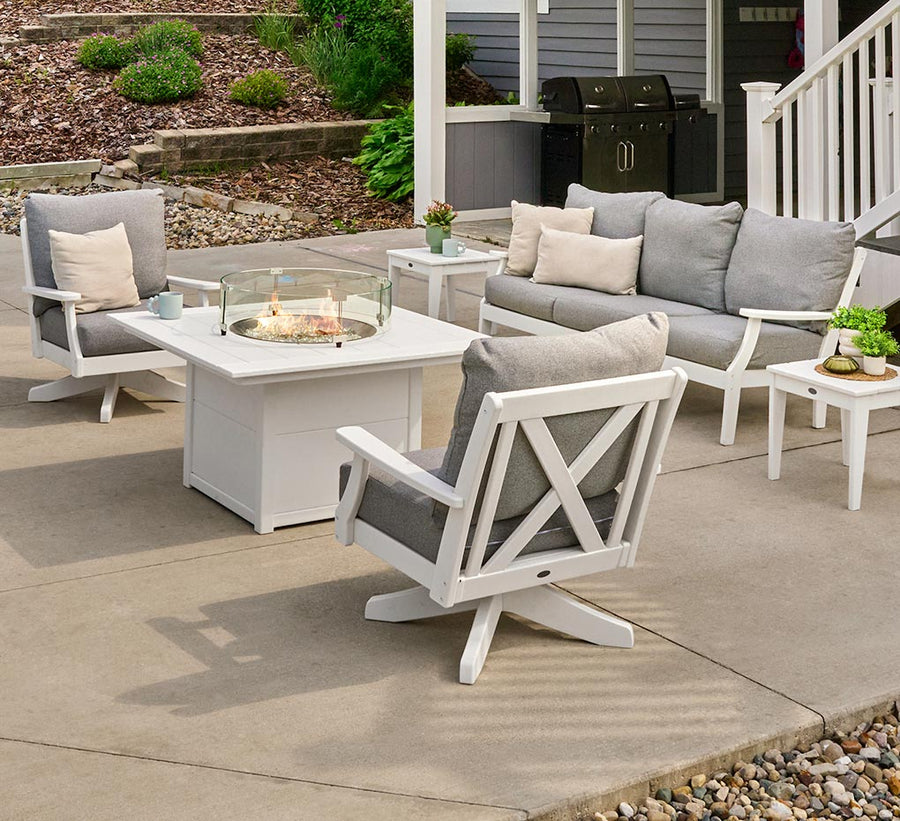
If your previous residence was a small apartment, you may have only a few furnishings to your name, and we bet most are for indoor use. This presents an exciting opportunity: decorating your new backyard from scratch. We can help with that. Keep reading to see our style ideas, shopping advice, and more tips for furnishing your first home’s outdoor spaces.
Start your backyard design from the ground up.
Determine how much square footage you have to work with by measuring your backyard. You'll need a tape measure, a pencil, some paper, a few more tools, and a spare hour. Follow these steps to complete the task:
Once you've completed your property's dimensional sketch, use it as a baseline for determining the size, shape, and quantity of outdoor furniture you can realistically style in your backyard.
Keep in mind that not all open space is available to use. You'll have to plan around stairs, entrances, windows, and other permanent structures connected to your property's open areas.
With a new home comes mortgage payments, property taxes, and possibly HOA fees. It's a good idea to plan a furniture budget around these and other living expenses to prevent overspending.
Follow these steps to determine your budgetary restraints:
Use your outdoor space as an additional outlet for self-expression.
You may already know and own your preferred aesthetic. If so, you're one step ahead. But if you had to follow strict decorating rules at your old apartment complex, you may still be on the road to self-style-discovery. Here are a few steps to help:
Once you've found your personal style, make it come to life through your outdoor furniture selections.
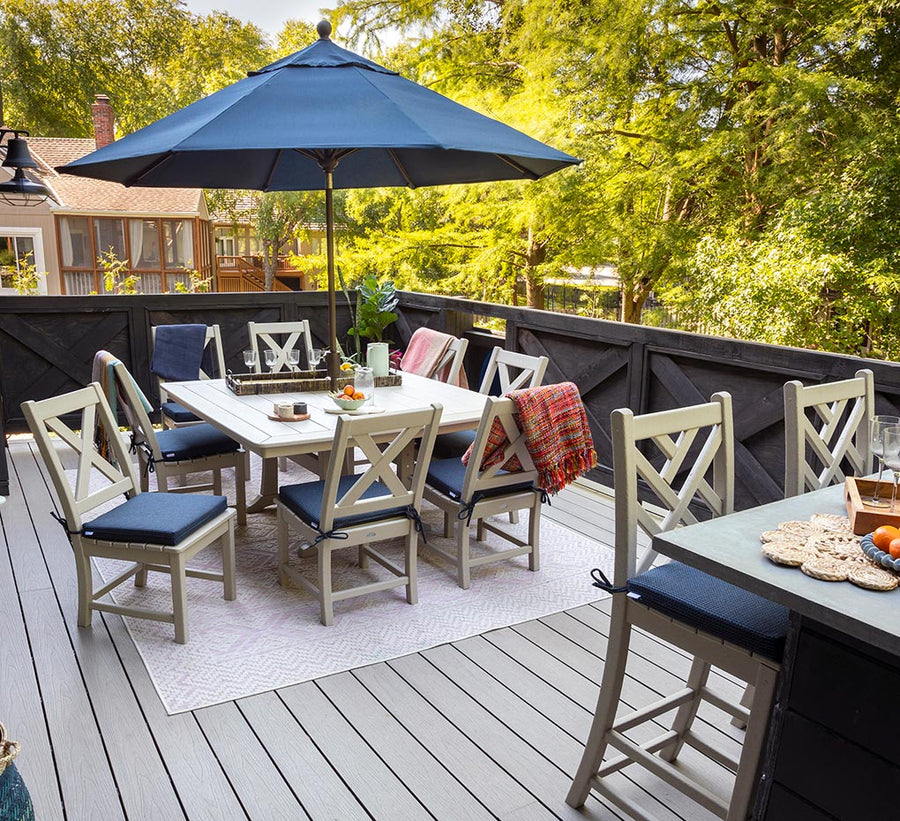
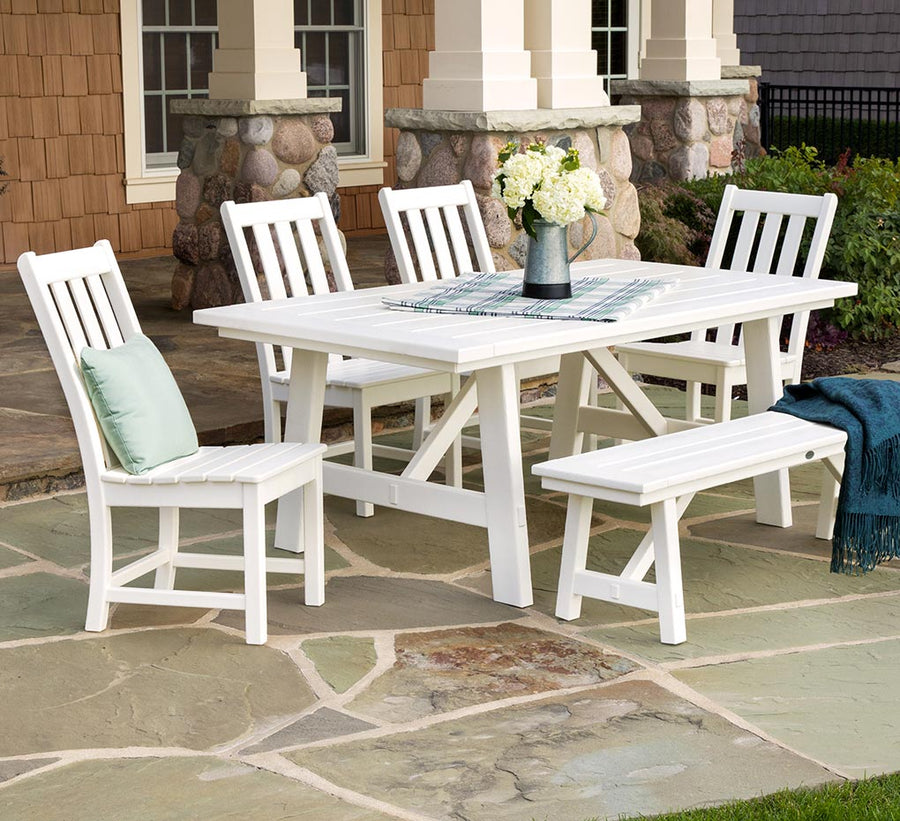
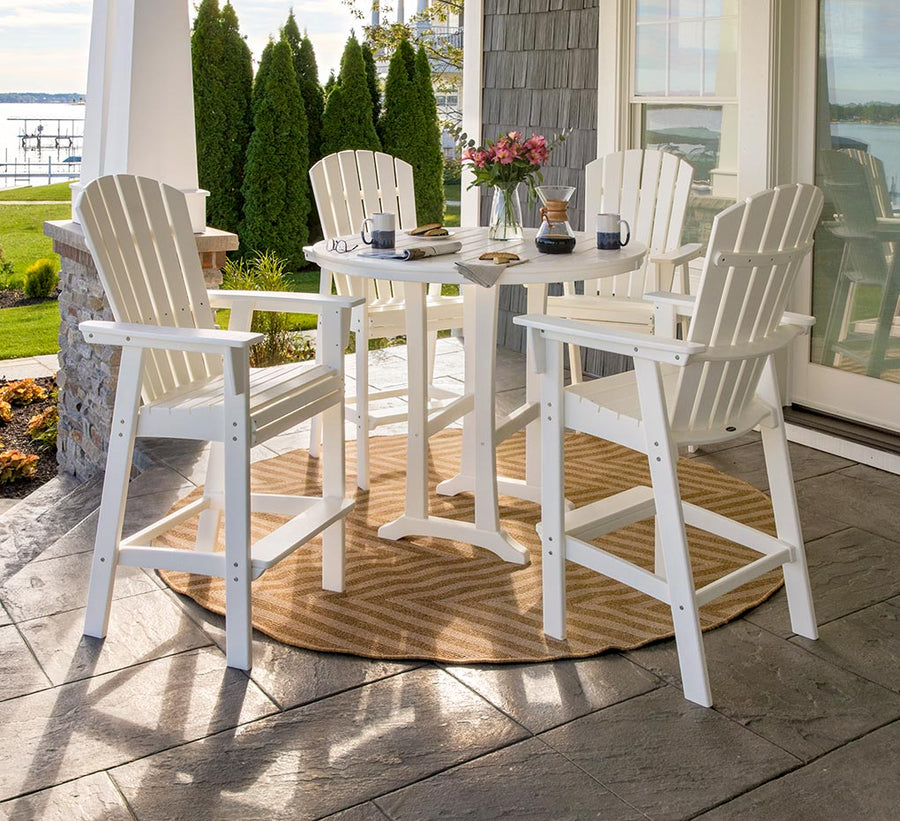
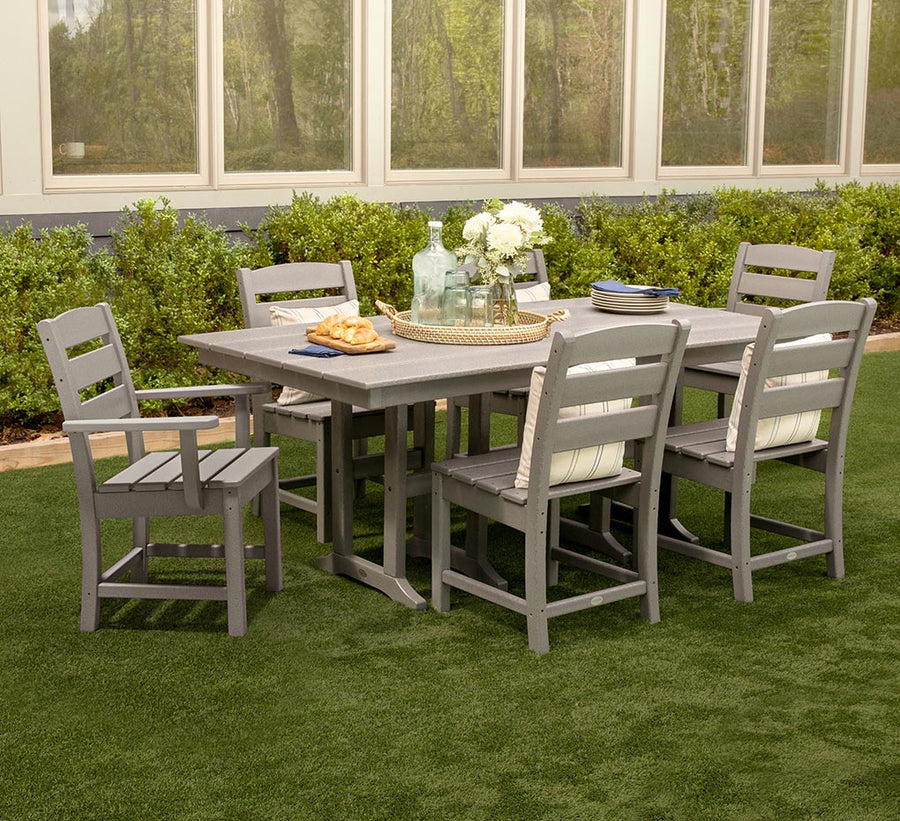
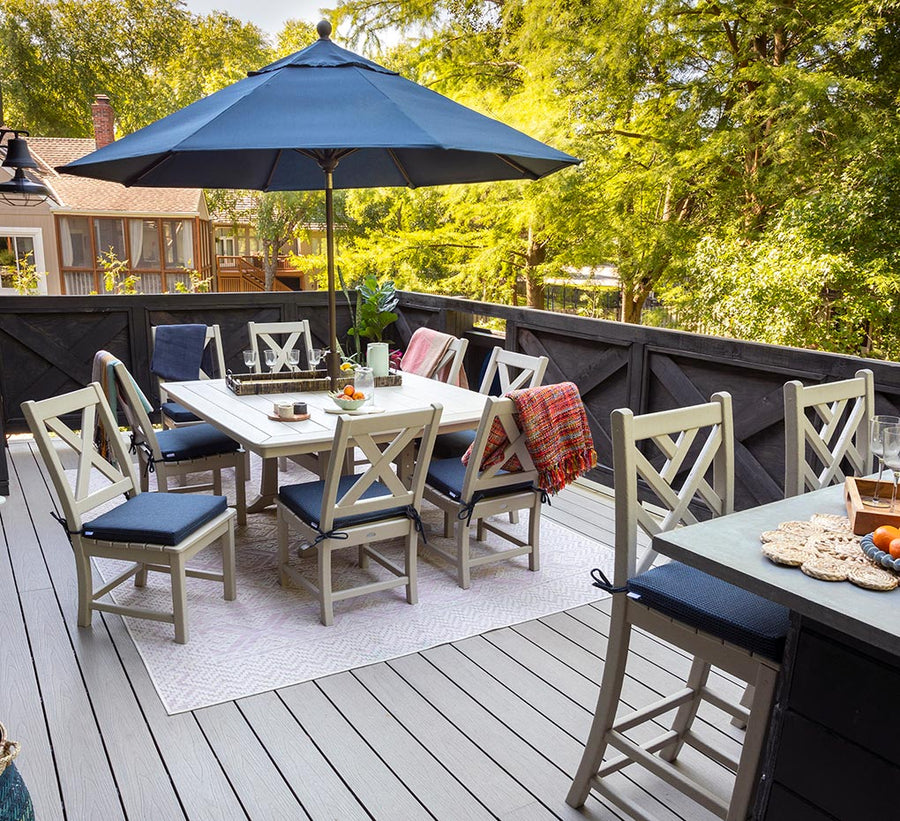
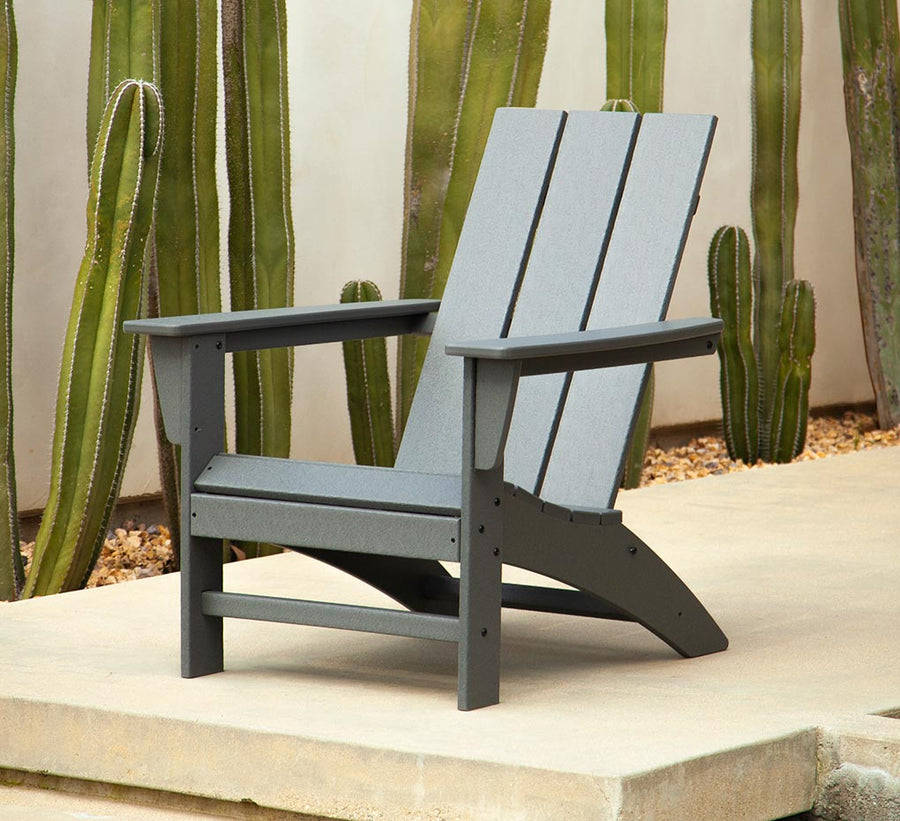
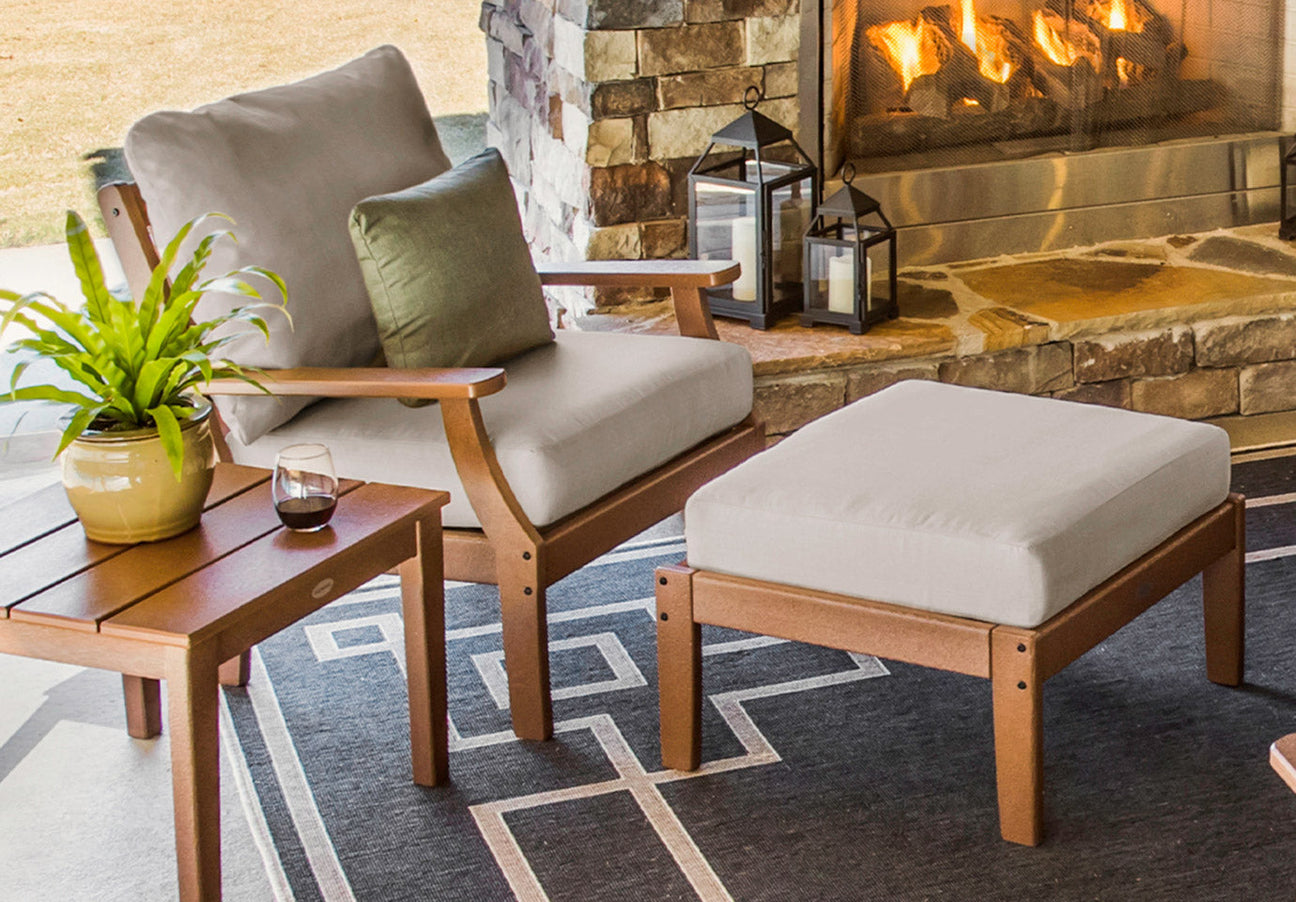
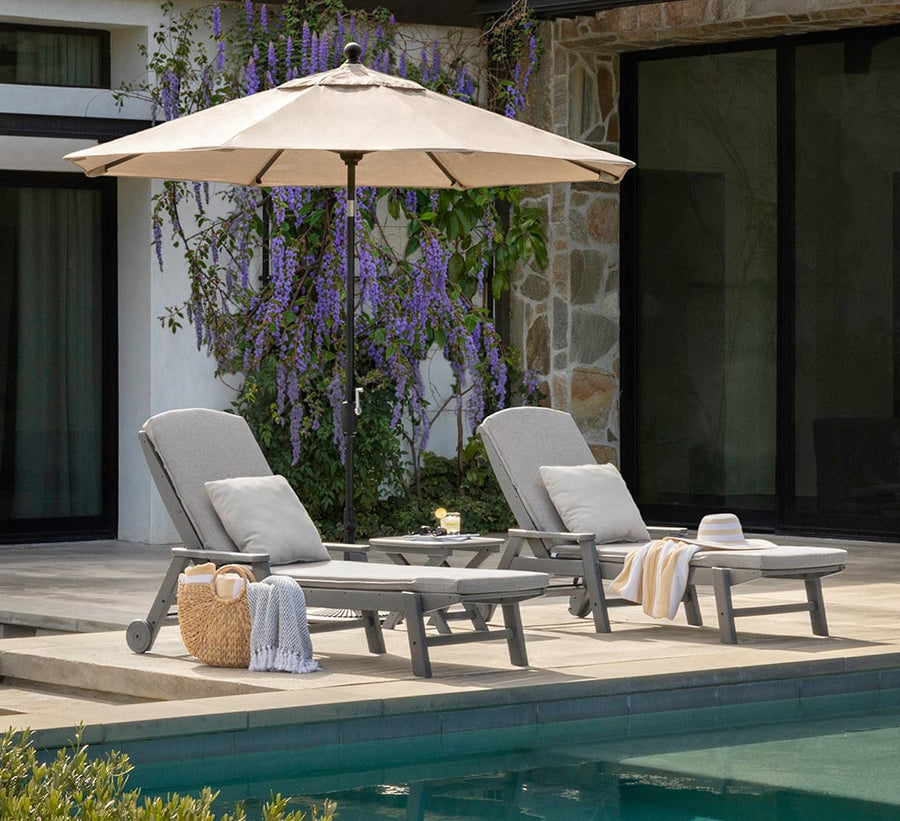
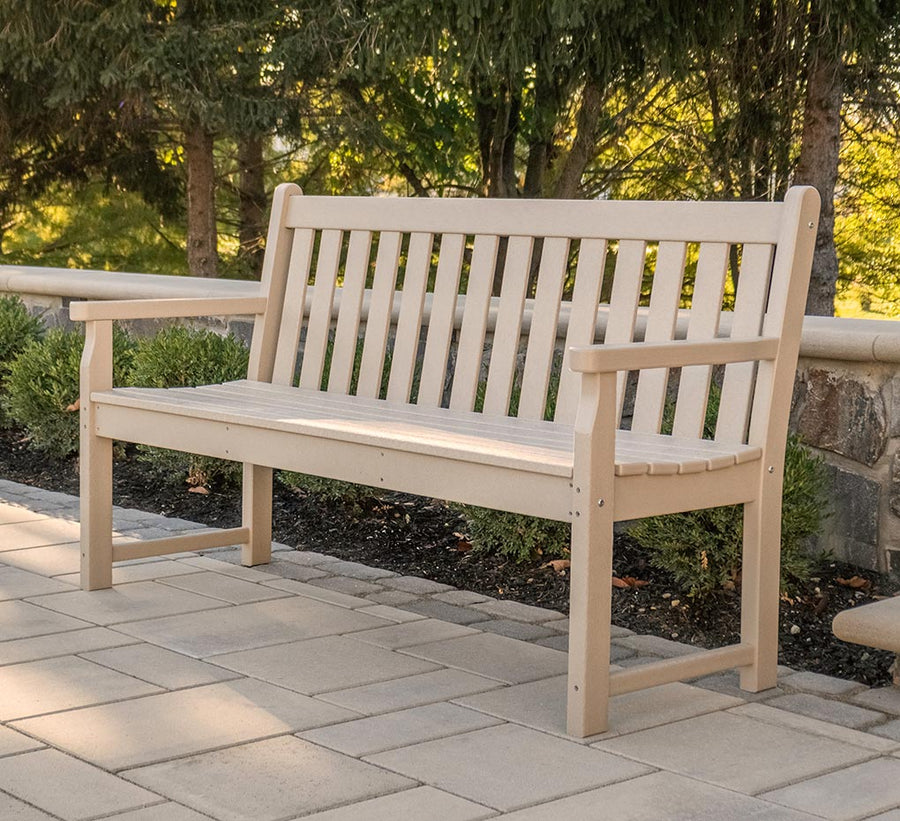
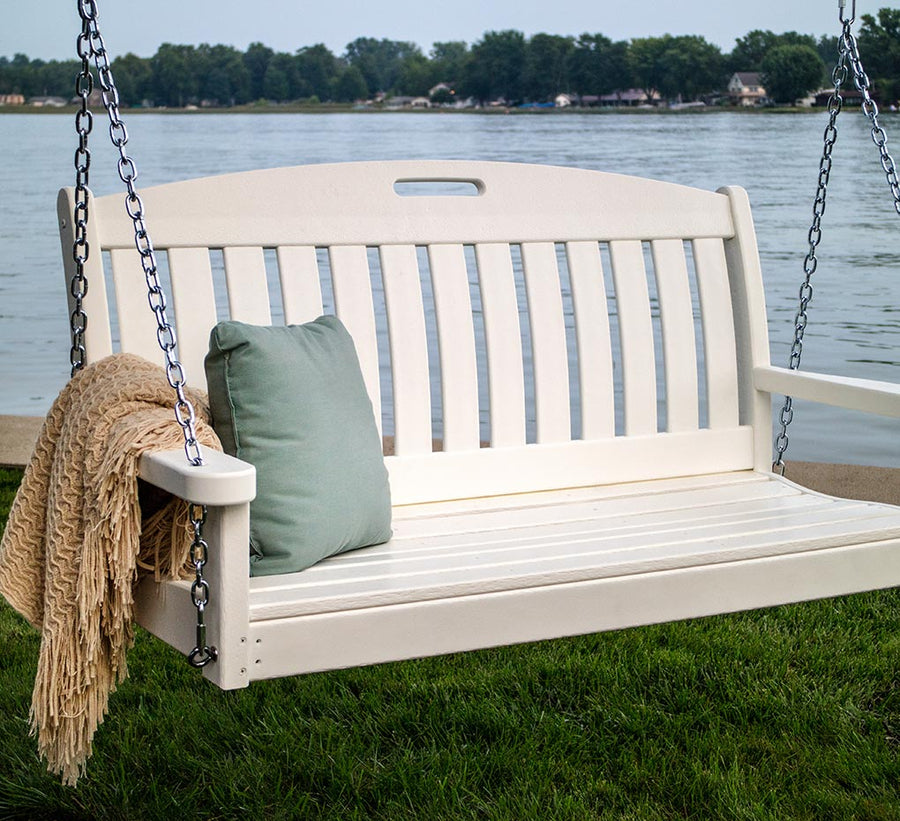
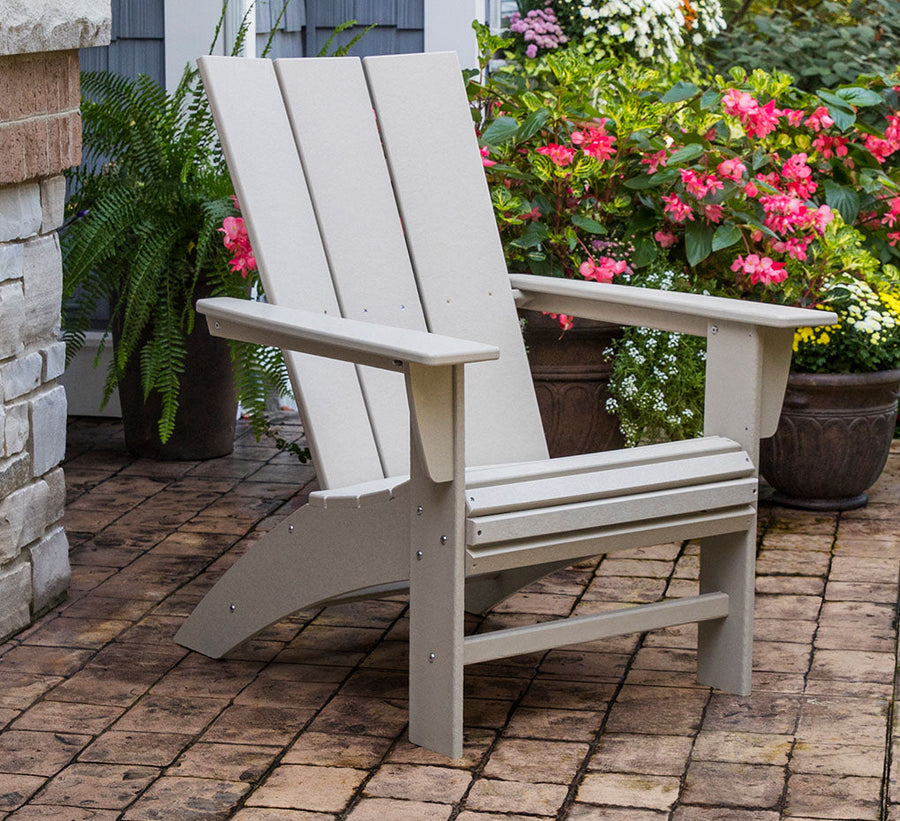
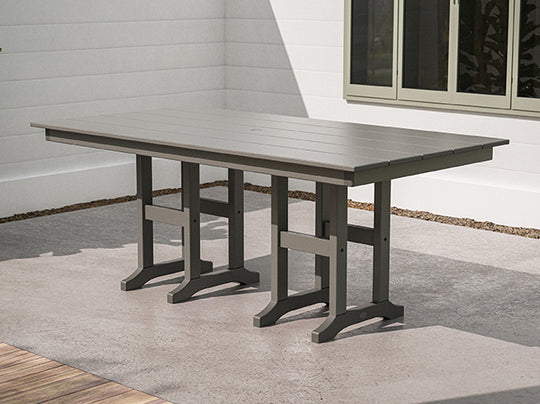
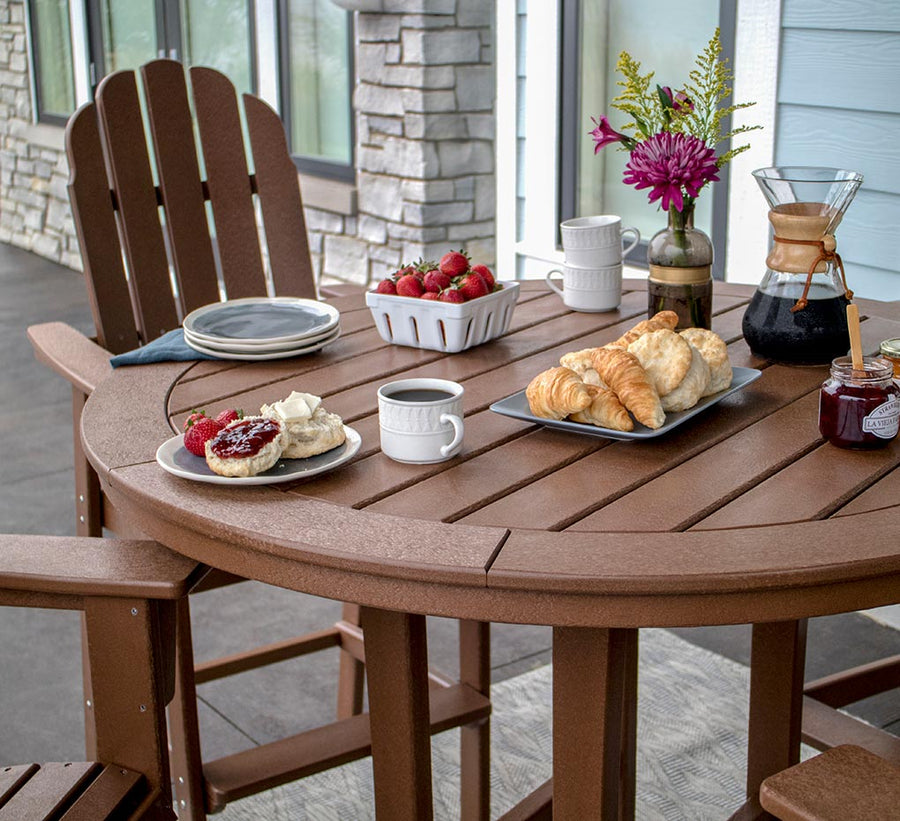
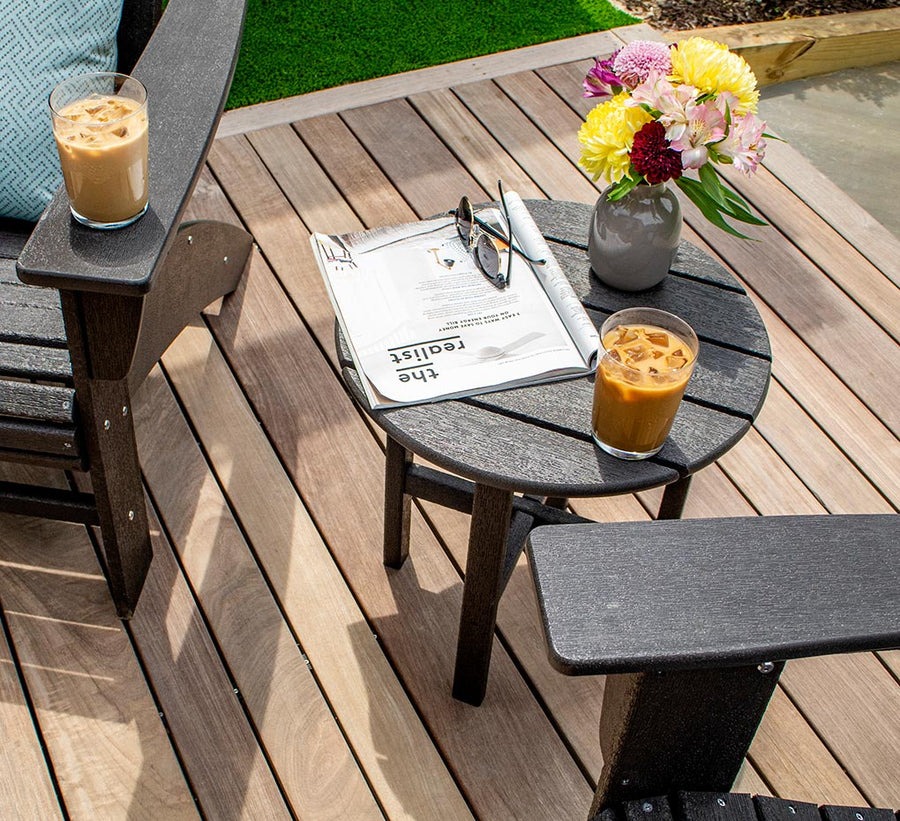
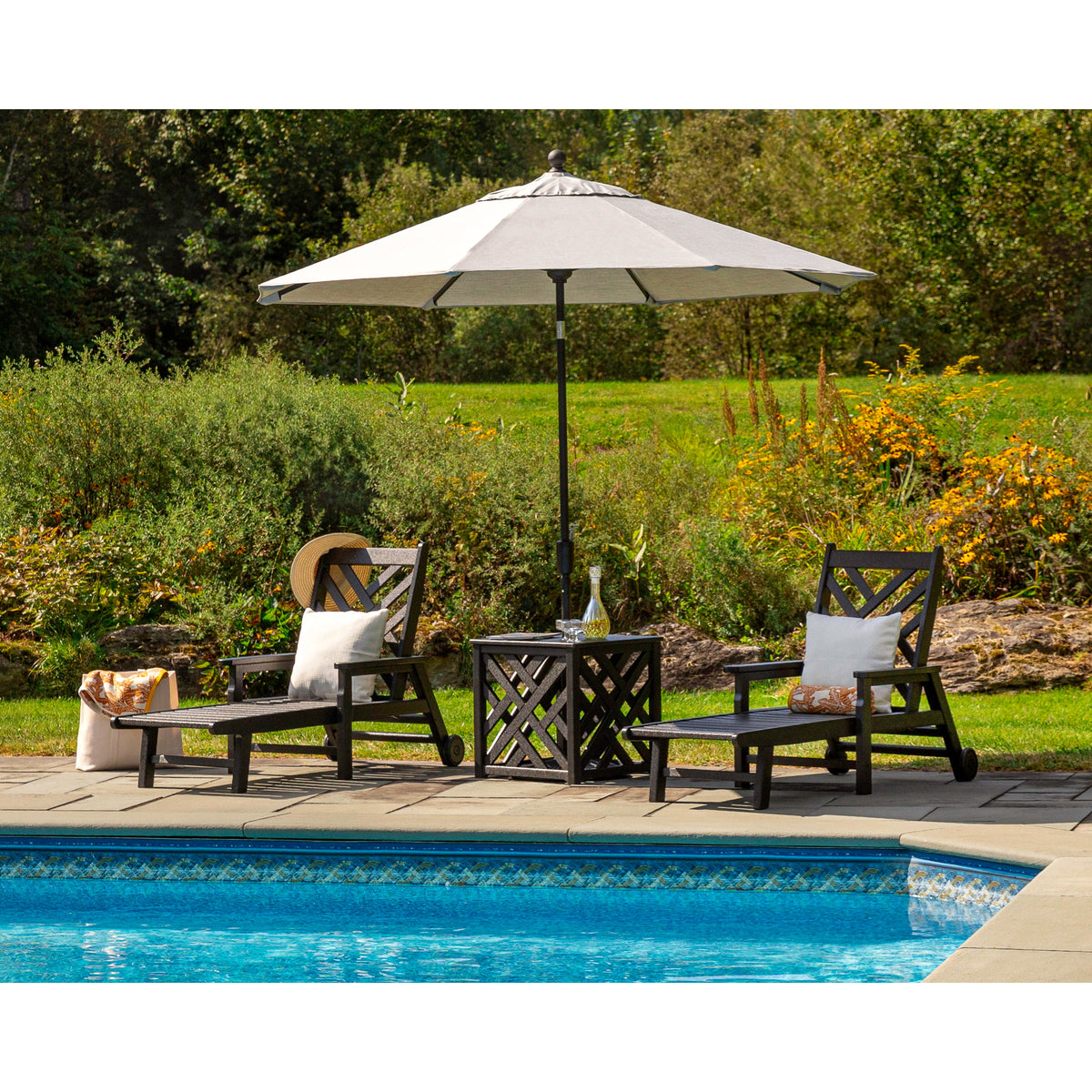
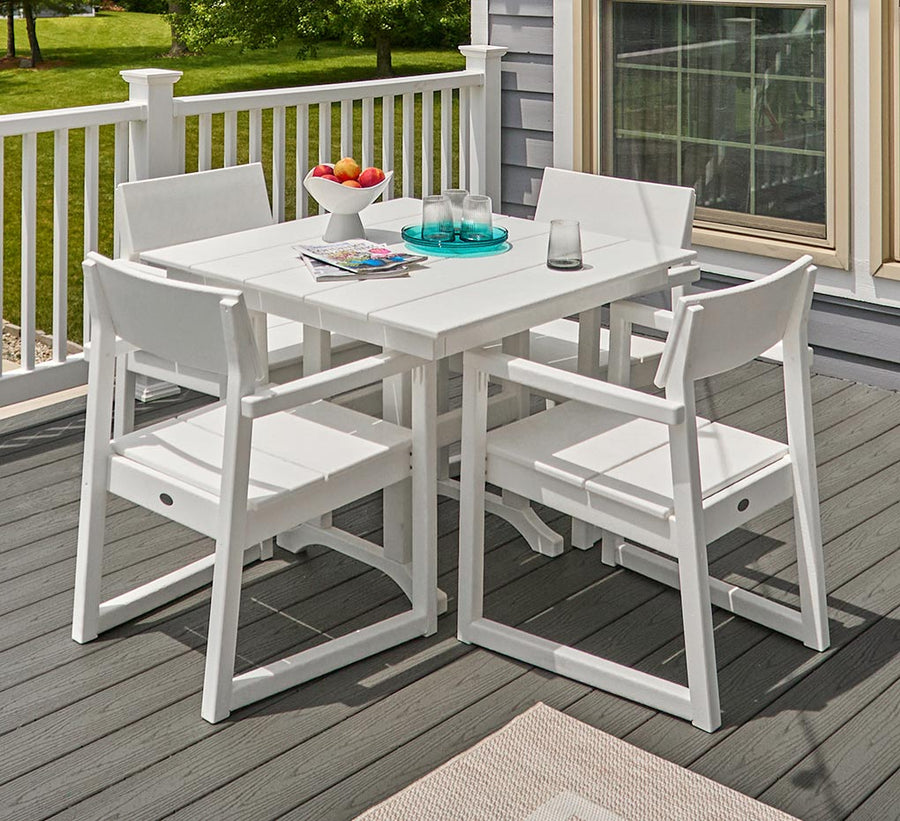
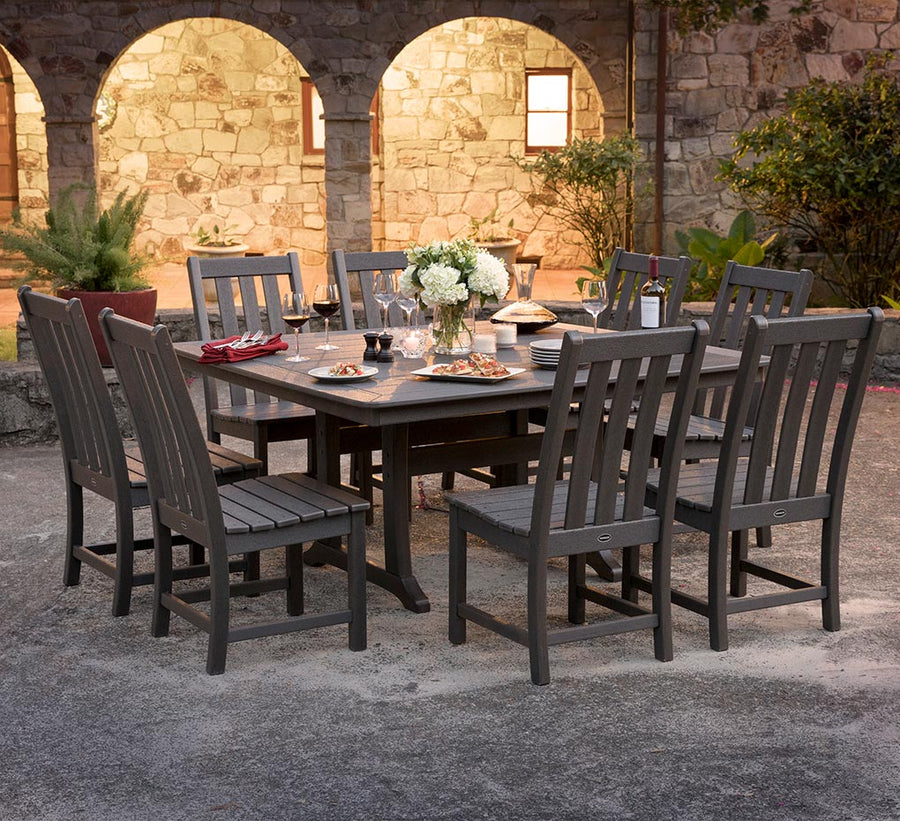
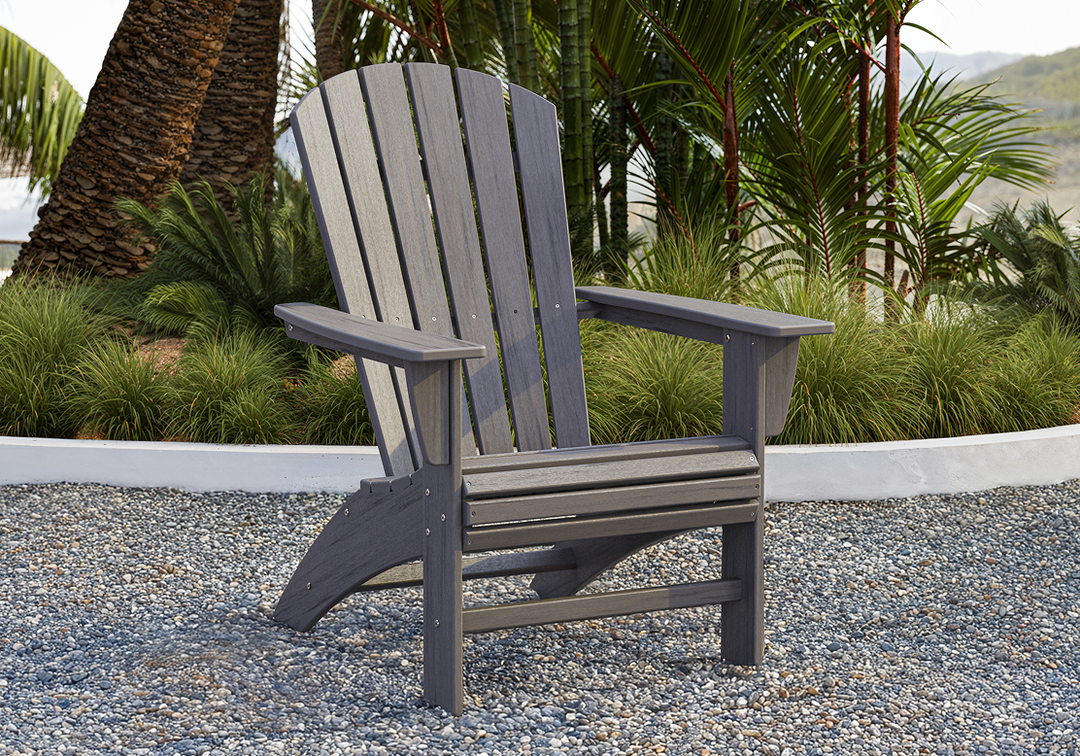
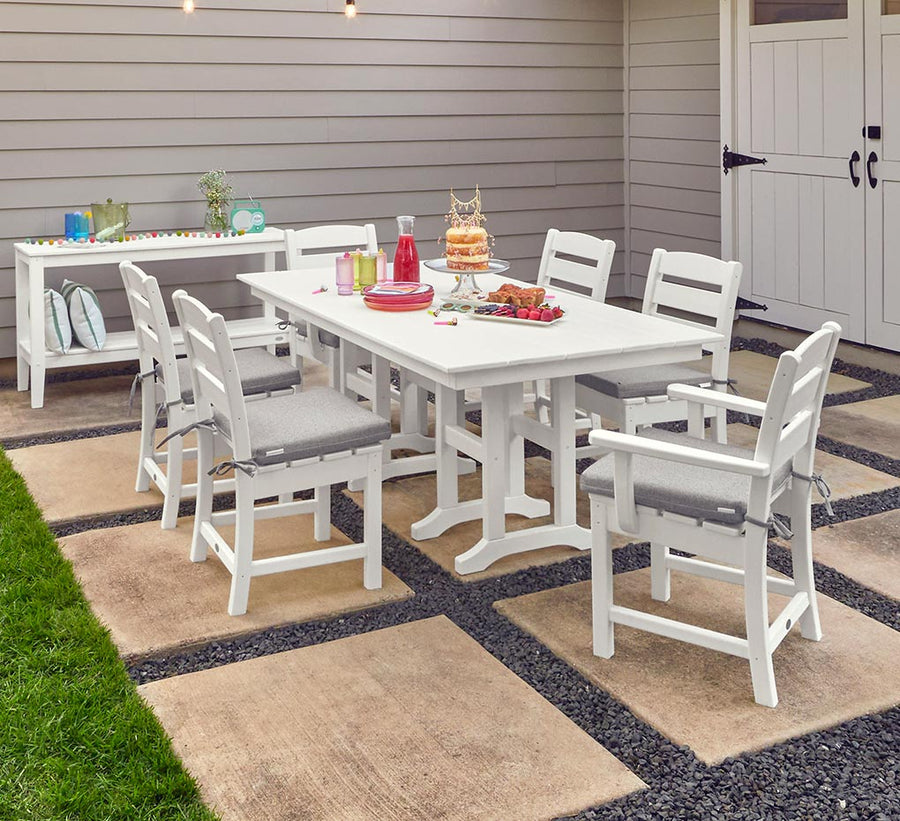
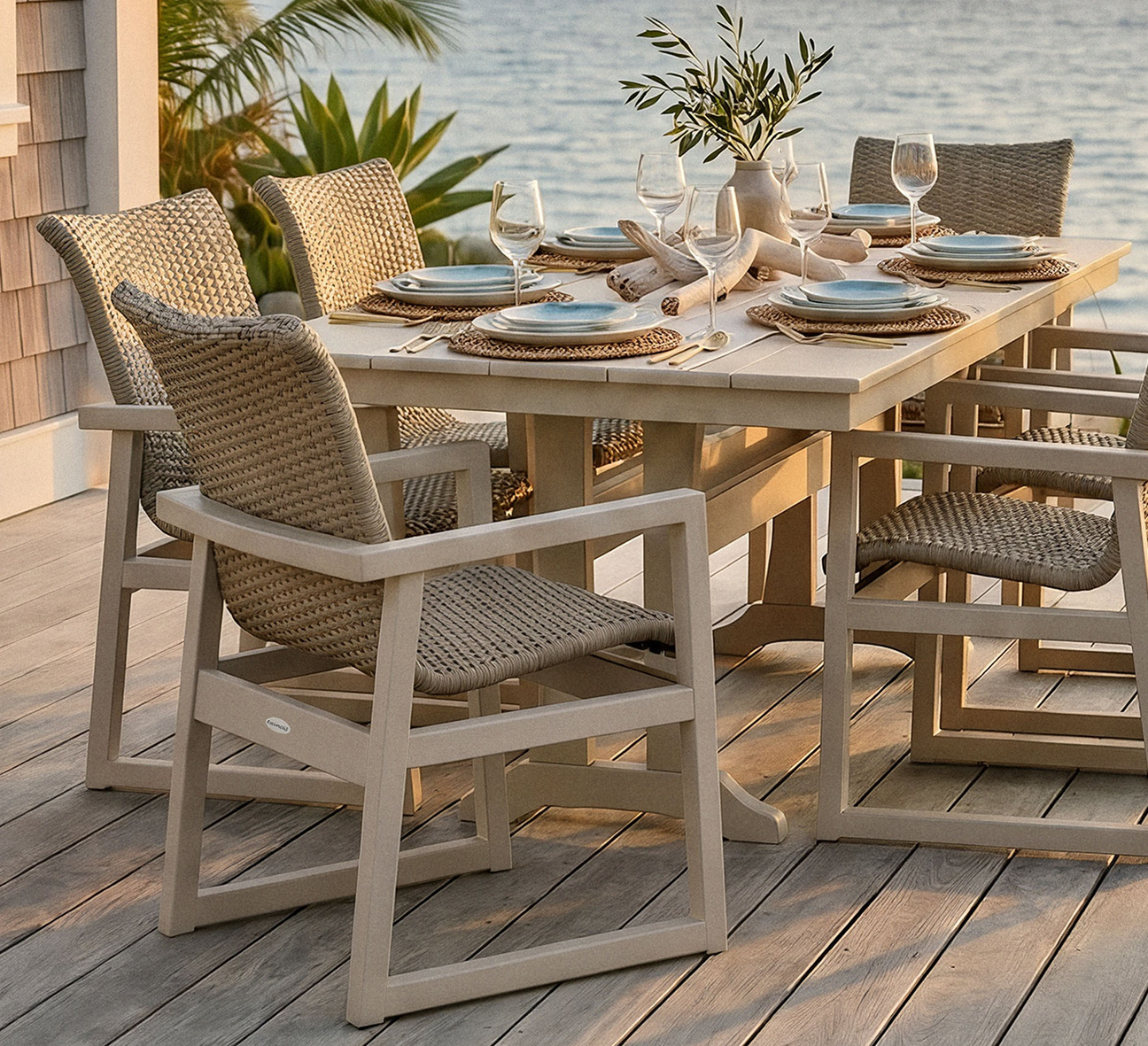
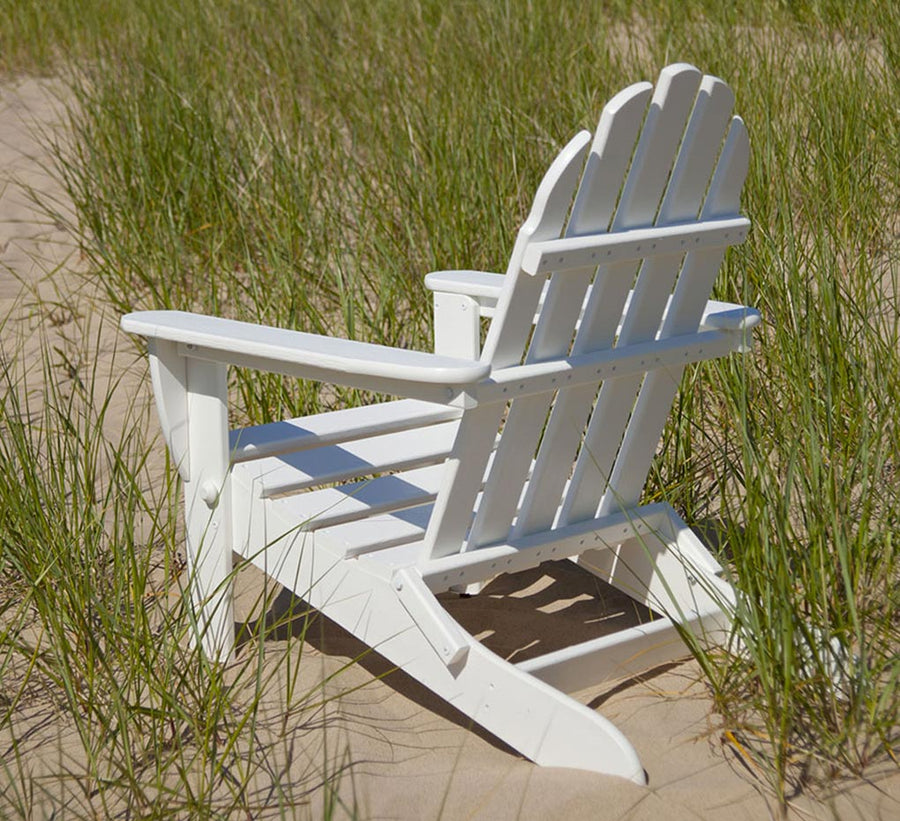
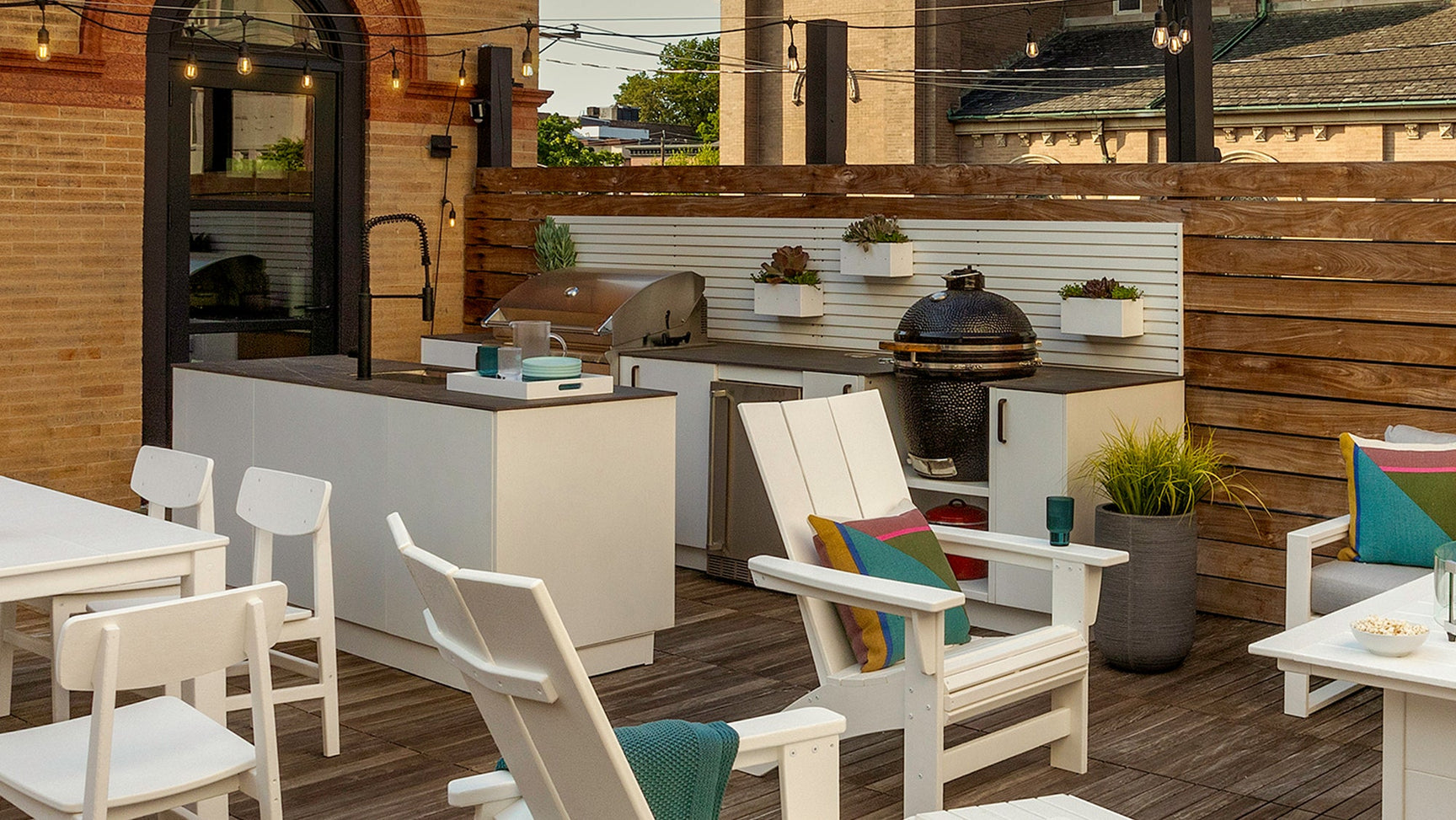
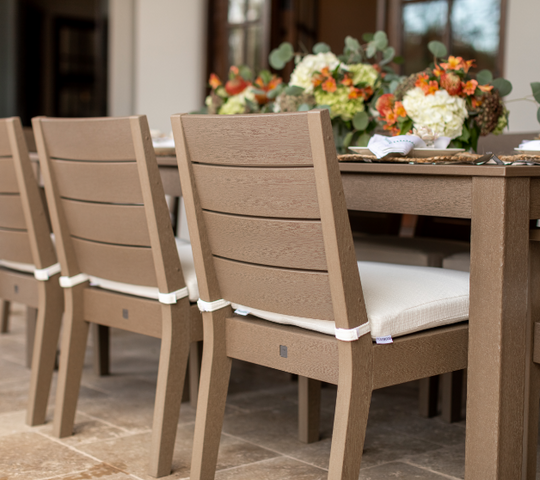
If you love a modern look, choose sleek Adirondack chairs in a monochromatic white, grey, or black palette. Cottagecore more to your liking? Start the rustic theme with a sand-toned farmhouse dining set adorned with thrifted candlesticks, foraged florals, and other whimsical accents.
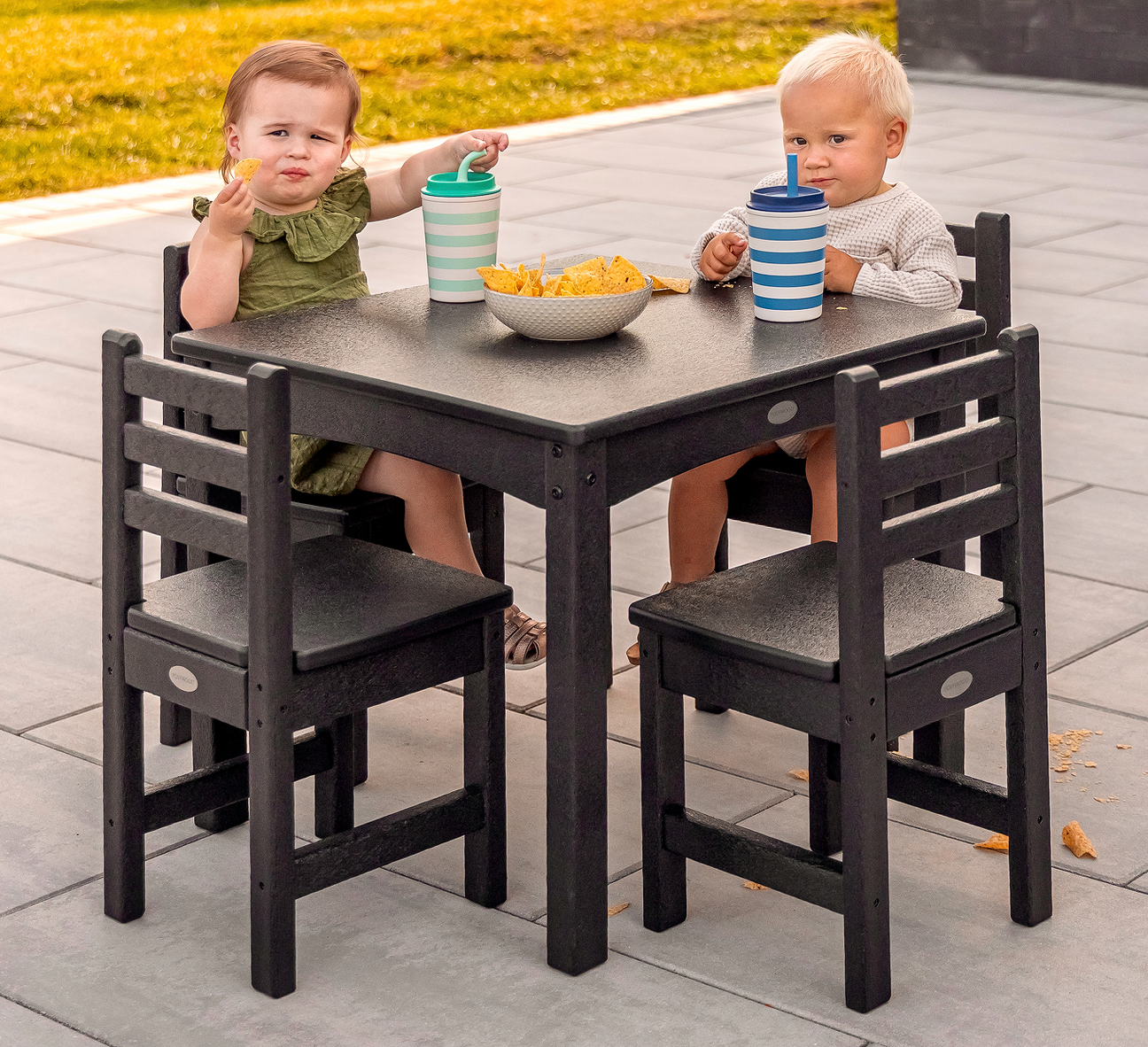
Choose pieces that will serve your family year after year (after year).
When browsing furniture selections in-store and online, be thorough in your search.
Buy the pieces you need first, then build around them.
Here is a list of essentials based on the chosen purpose of your outdoor space.
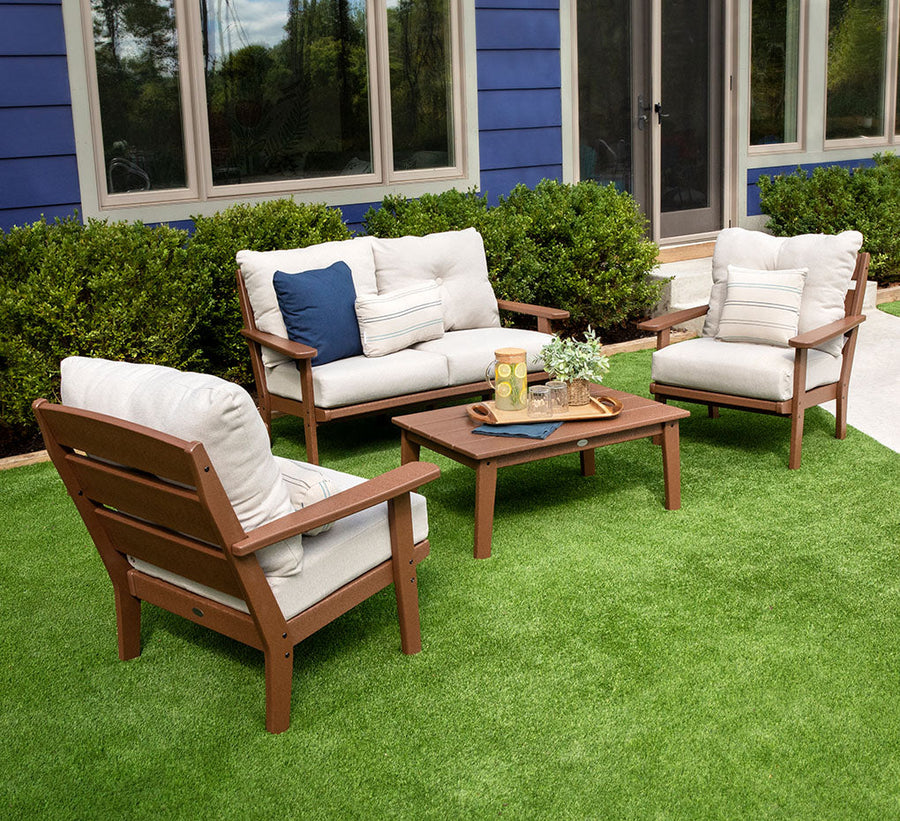
Choose decor and accent pieces that complement your furniture's look and support it in giving your family the best outdoor experience.
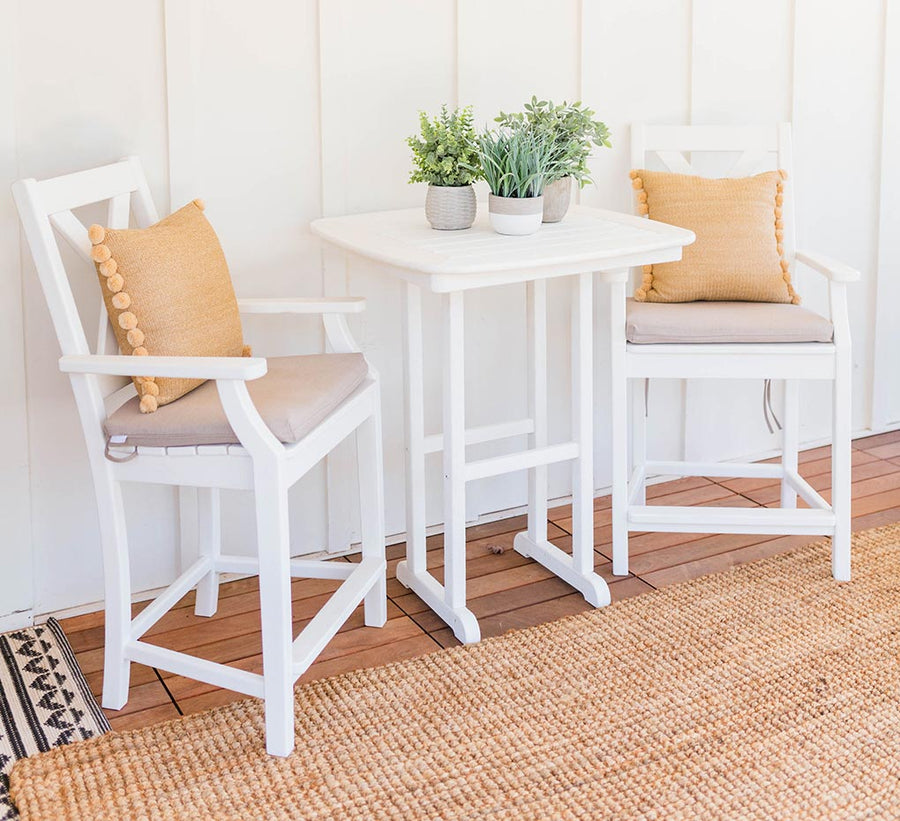
If you have a small outdoor space, look for furniture that can be used across multiple occasions.
Select proportional pieces to ensure an attractive outdoor aesthetic.
Proportion is the relationship between an object's dimensions, scale, balance, and symmetry. Well-proportioned furniture is aesthetically pleasing, fits the size and shape of your new house's outdoor floor plan, and is comfortable and easy to use.
Follow the lead of professional designers who swear by this decorating rule that blends different styles into a space within distinct proportions to complete a pleasing aesthetic. Simply decorate 70% of your outdoor space with your chosen style, then dedicate the remaining 30% to another motif (or two) you can dapple into the room.
Aesthetics certainly matter, but comfort plays a vital role in outdoor experiences.
If your gorgeous new dining set offers little legroom and leaves guests with cramped thighs and sore knees, you may need to rethink your furniture selections. Attractive and relaxing products let you lounge for hours in complete comfort—and look good while doing it.
Balance creates order and visual stability, allowing every element in an outdoor aesthetic to hold interest. A balanced outdoor setting is attractive, cohesive, and offers a clear focal point.
Caitlin Evans
Cait is an Indiana-based creative content writer who has been with POLYWOOD since 2020. She’s a Purdue alumna, a proud logophile (word nerd), and an advocate of the Oxford comma. In her free time, Cait loves gardening, cooking, running, camping, and spending time with her husband and four fur children.
Are you missing items in your cart? Sign In


